
Scar treatment
Scar Revision
흉터성형술Surgery to make a scar narrower, flatter and better aligned with the skin around it. Each scar is assessed for its cause, depth and direction before a technique is chosen.

Scar revision
Scars from accidents, surgery, burns or mole removal differ in form according to their cause, their location, their depth and the condition of the surrounding skin. No two are treated the same way.
At SNU Plastic Surgery Clinic the shape and direction of the scar, the thickness of the skin and its texture are all taken into account. Diagnosis, surgery and aftercare are planned as one sequence.
A scar passes through four stages as it forms. Revision surgery is usually considered once the scar tissue has stabilized, in general from one to two months after it formed, depending on the condition of the scar.
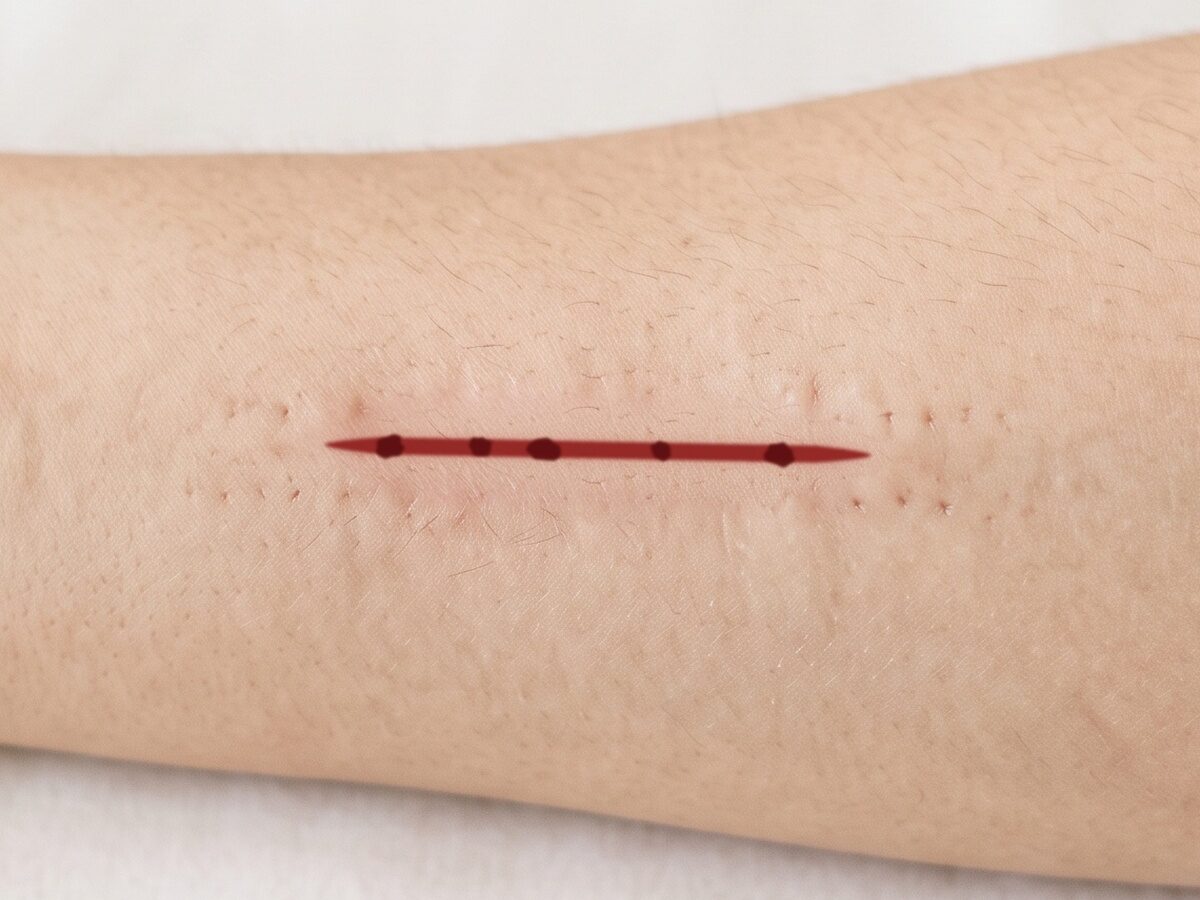
1. Hemostasis
The wound forms, bleeds and clots, and the first tissue response begins.
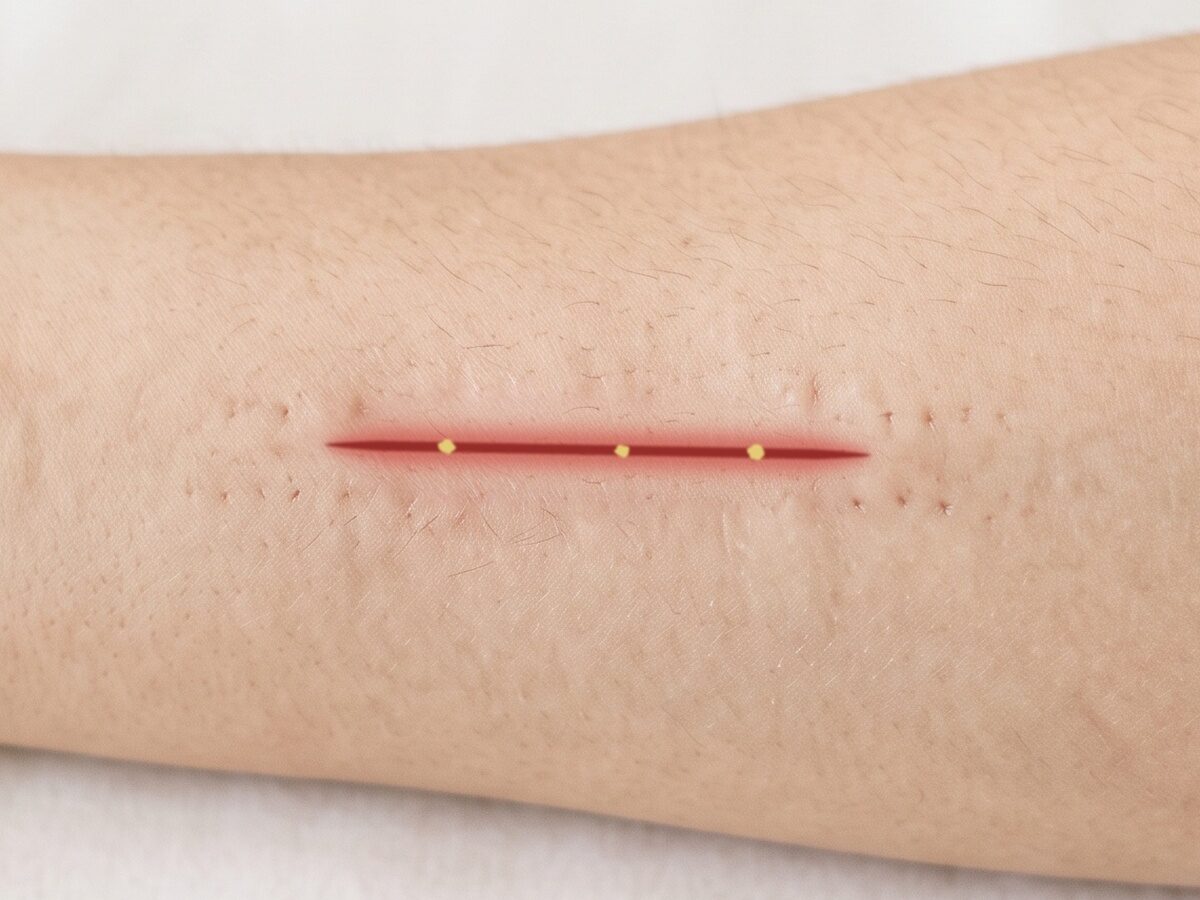
2. Inflammation
Swelling and discharge appear as the inflammatory response clears the wound.
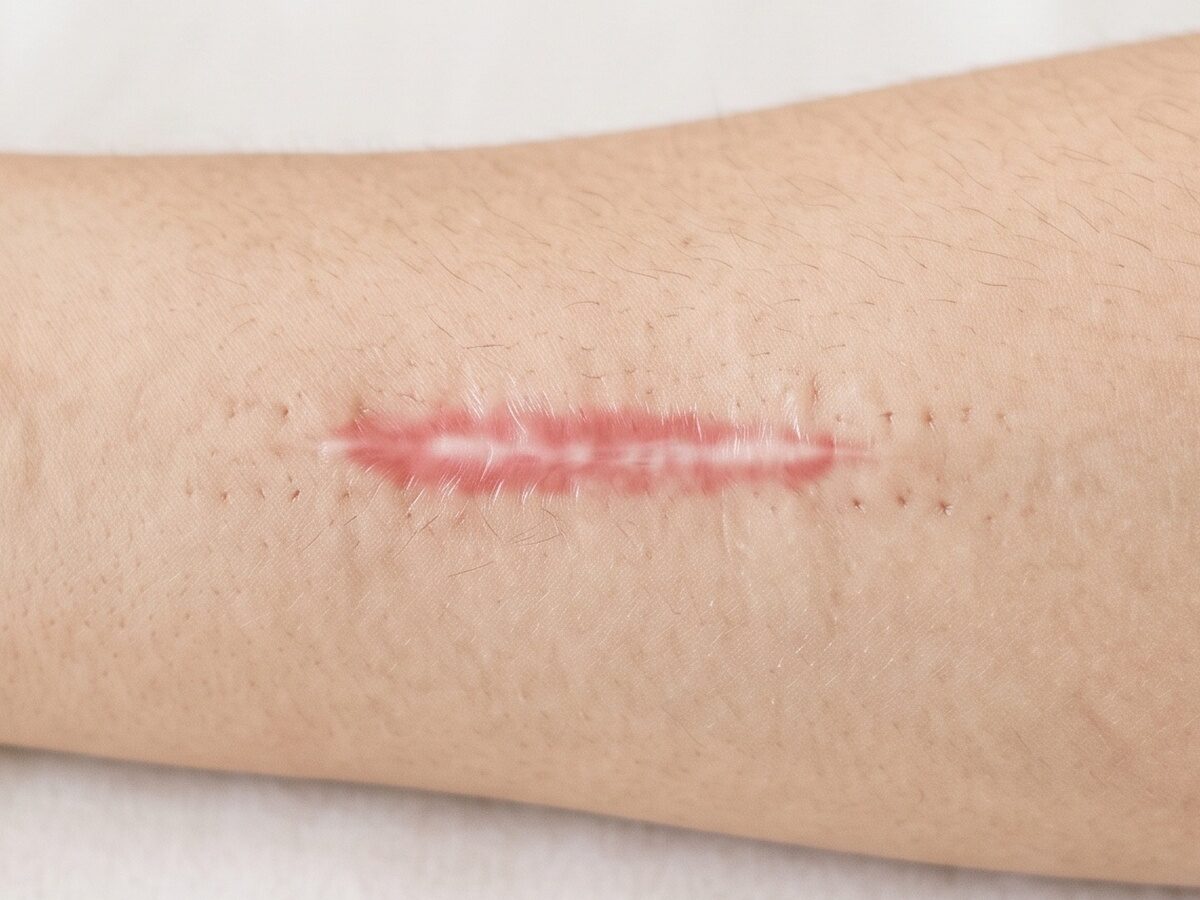
3. Proliferation
The area reddens as new blood vessels and tissue are laid down.

4. Remodeling
The tissue firms and takes on its final scar form.
Who scar revision is for
- 01
Wide, raised or uneven scars
Scars that are broad, stand above the skin or have ridges and depressions.
- 02
Scars that cut across the skin lines
Scars that run against the natural lines of the skin and draw the eye for that reason.
- 03
Contracted scars that limit movement
Scars whose tightness restricts the movement of a joint or a feature.
- 04
Heavily pigmented scars
Scars whose color, more than their shape, makes them prominent.
Surgical techniques
The technique is chosen for the scar, not the other way around.

Excision and fine re-suturing
An irregular or wide scar is removed and the wound closed again with fine sutures, adjusting the direction and tension of the new line.
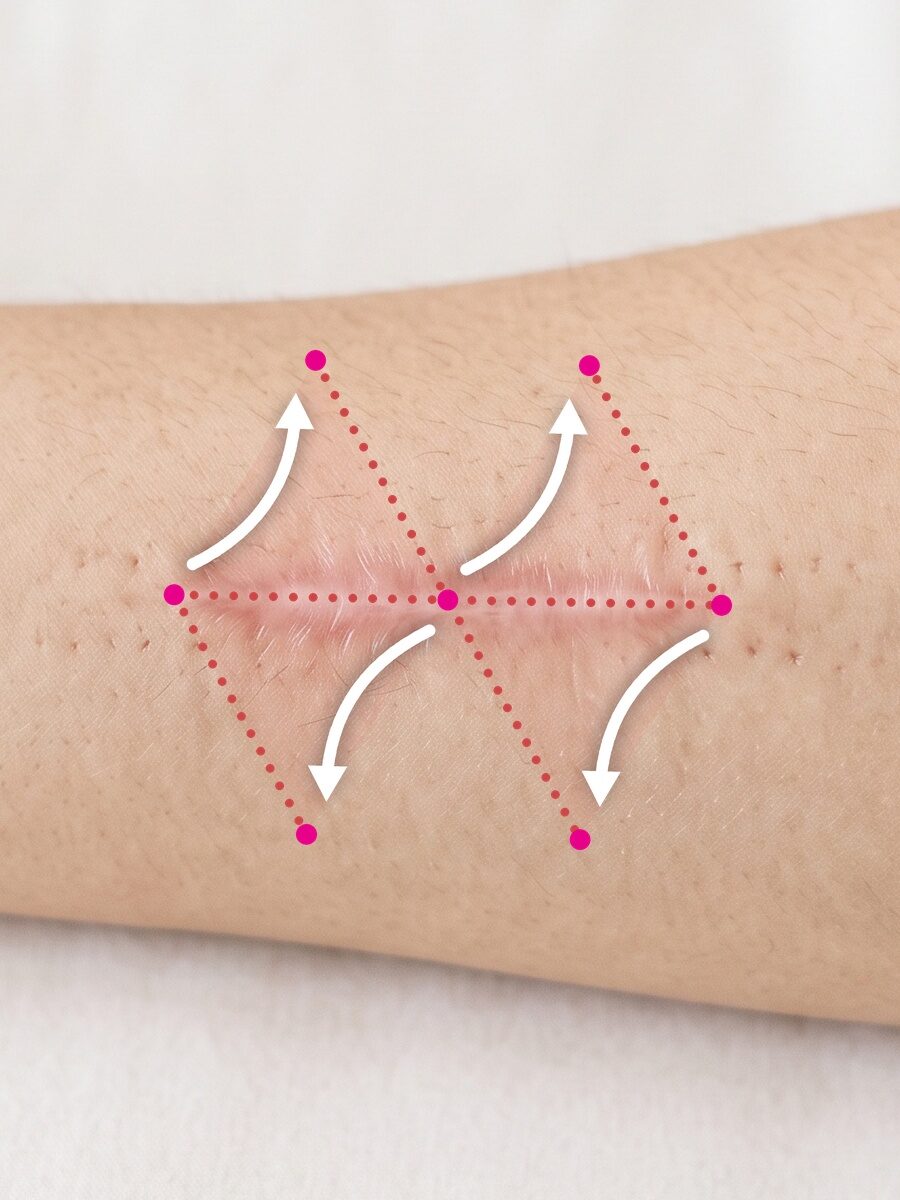
Z-plasty
Z-shaped incisions change the direction of the scar. The technique suits scars that need contracture or tension released.
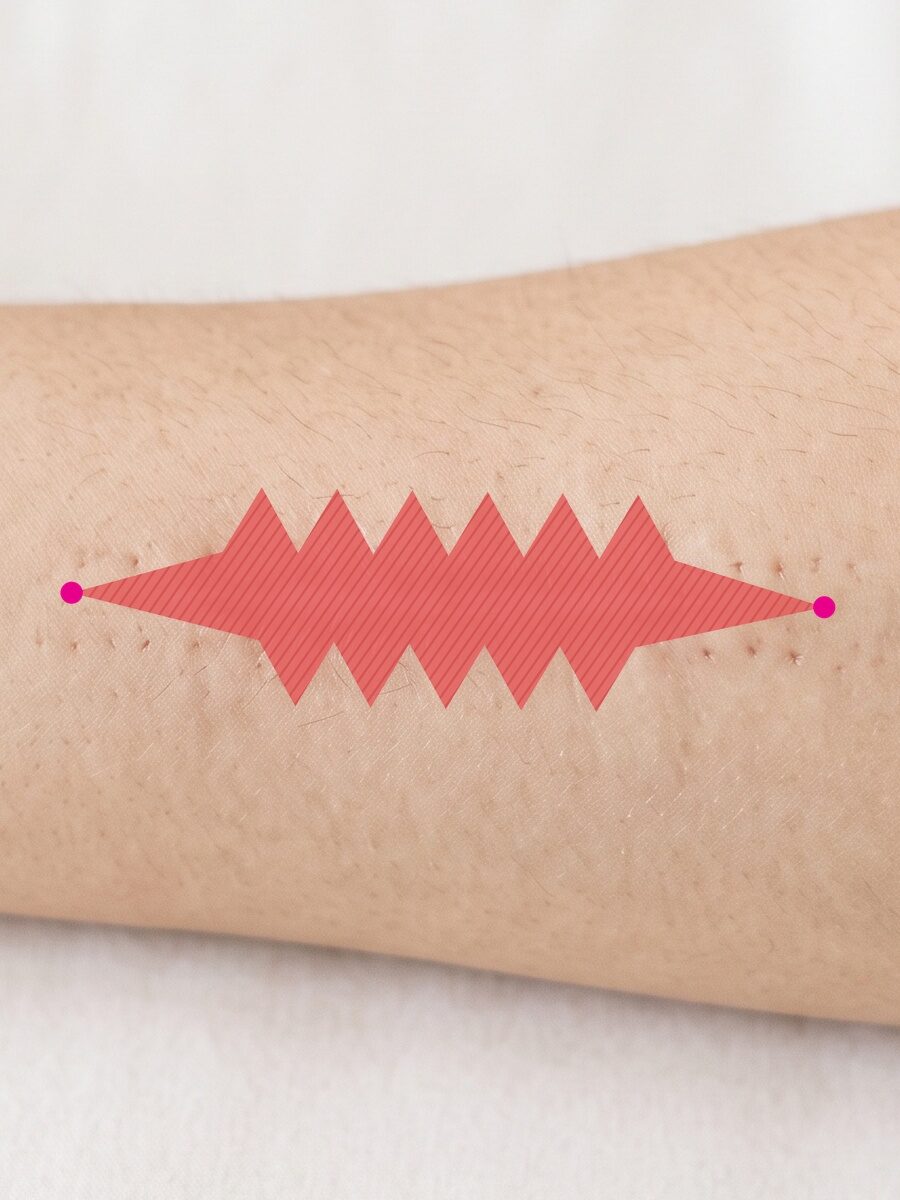
W-plasty
The scar is cut in a W pattern, which softens its border and helps it blend into the skin's own lines.

What makes scar revision at the clinic different
- SPECIAL 01
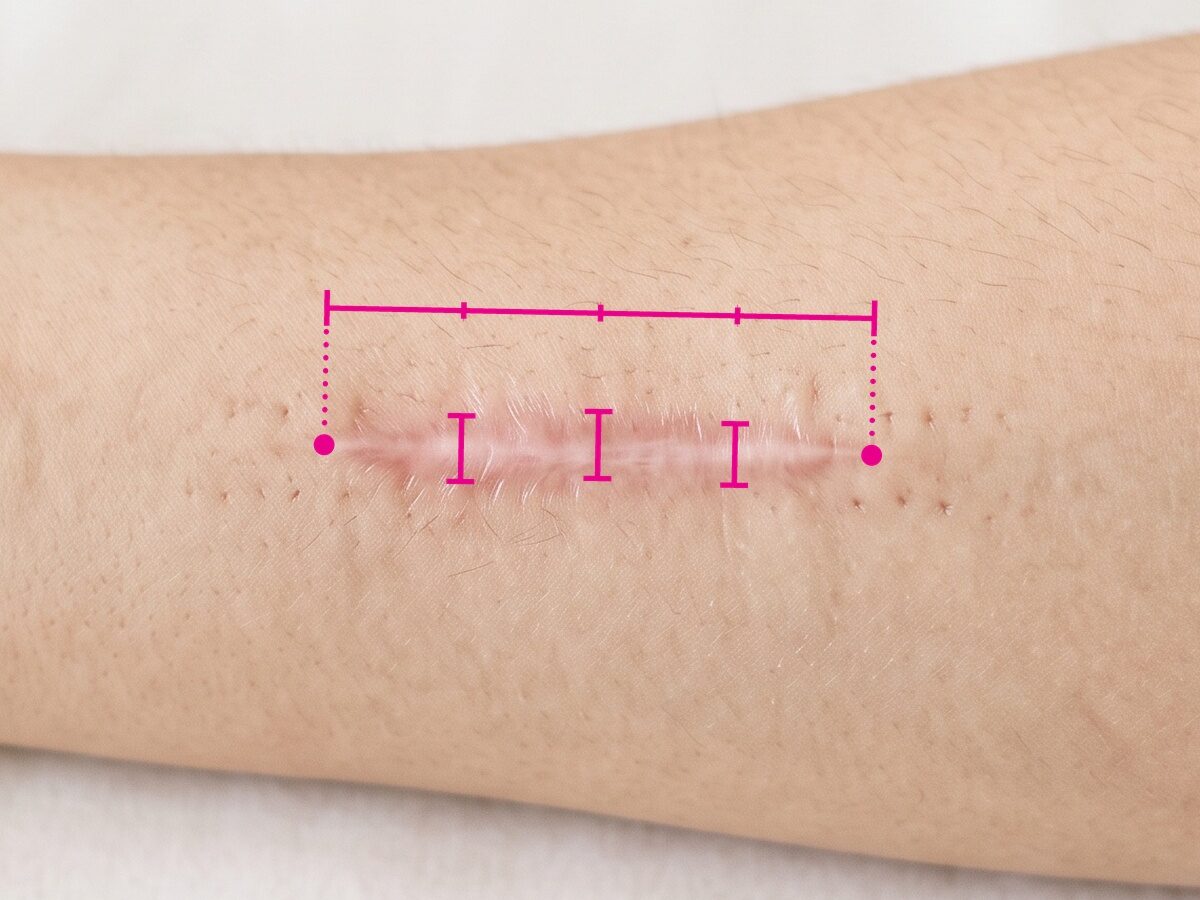
Led by our physicians
Consultations and procedures are led by Dr. Jeong or Dr. Lee, supported by our medical team. Read more about our doctors.
- SPECIAL 02
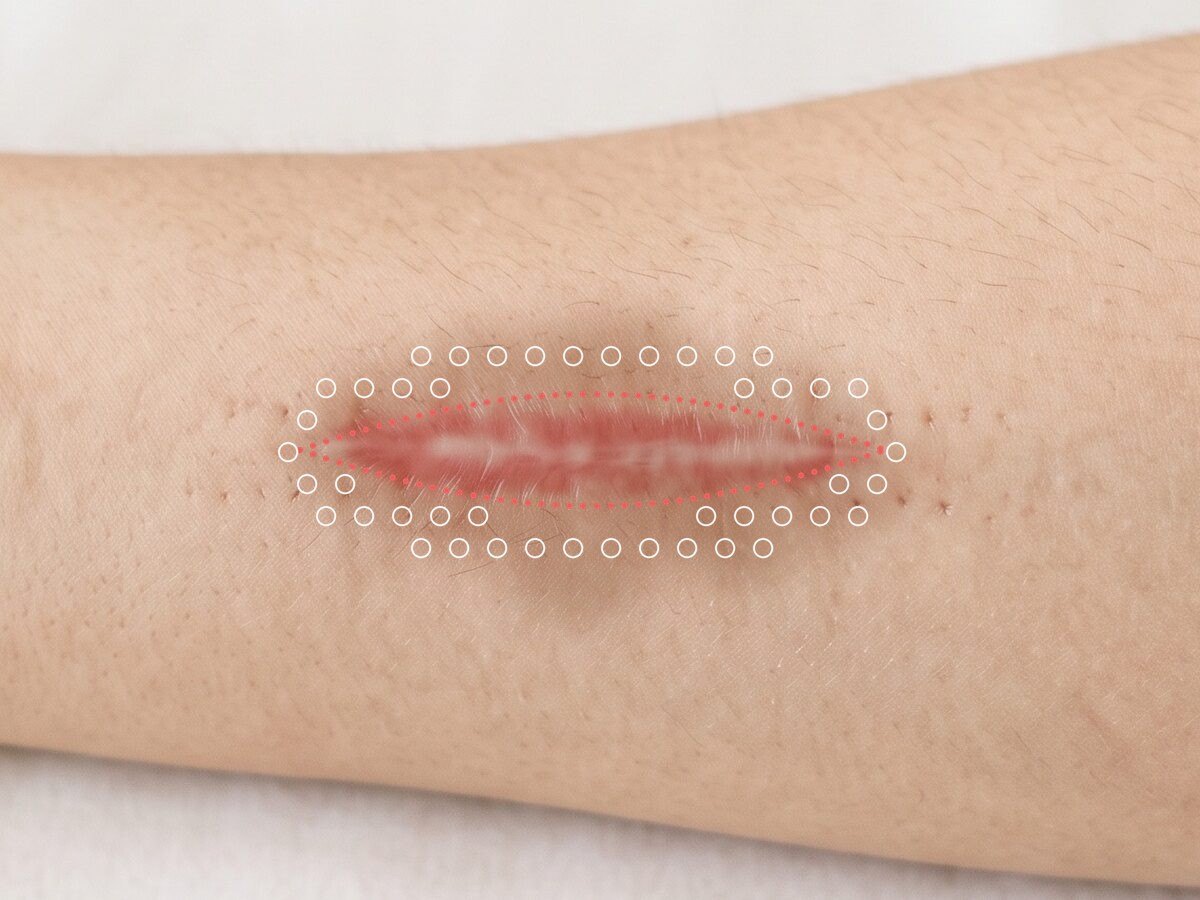
Scar and pigmentation managed together
Incision, fine suturing, silicone therapy, compression and laser treatment are staged over the course of aftercare, so that pigmentation is addressed along with the scar itself.
- SPECIAL 03
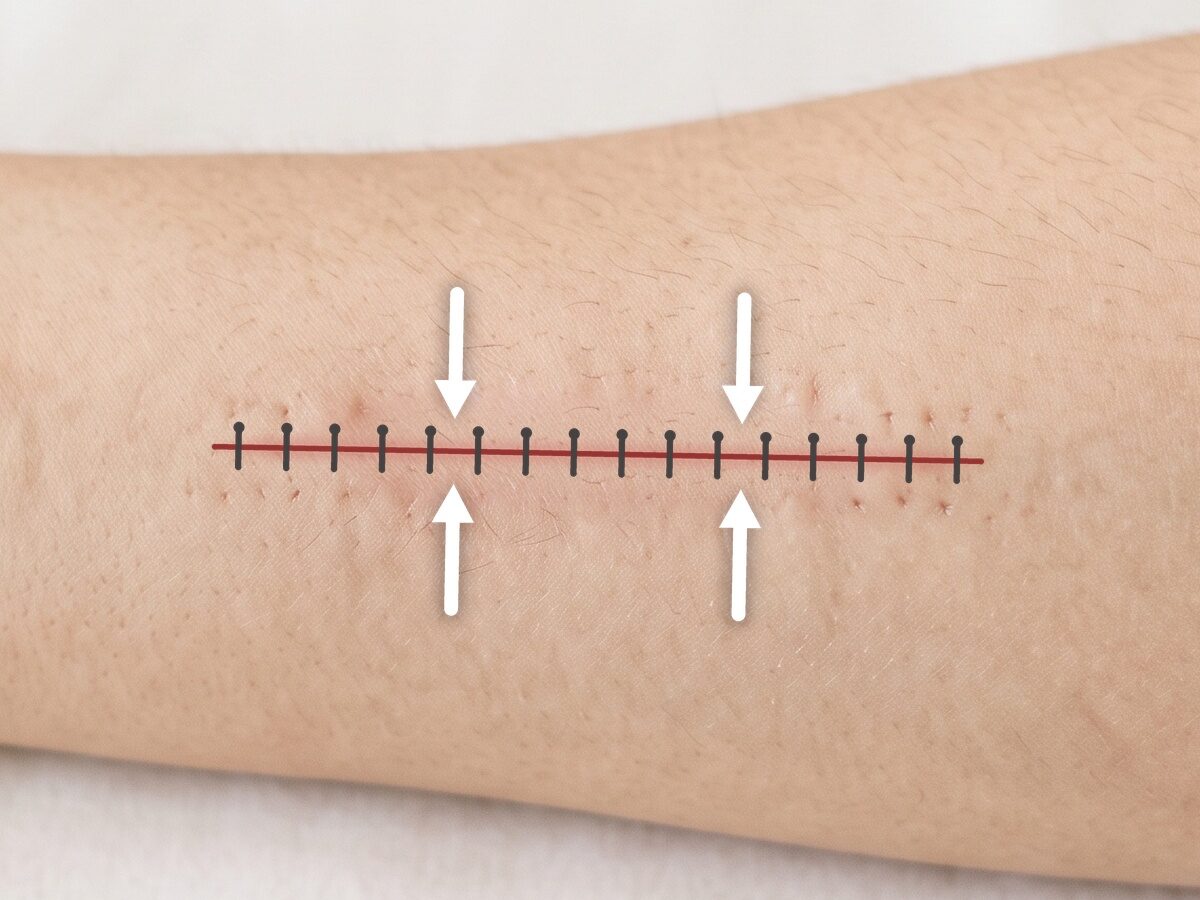
Careful surgery, with recurrence in mind
Fine suturing techniques and a structured aftercare protocol are used to keep the scar as inconspicuous as possible and to reduce the chance of it re-forming.
- SPECIAL 04
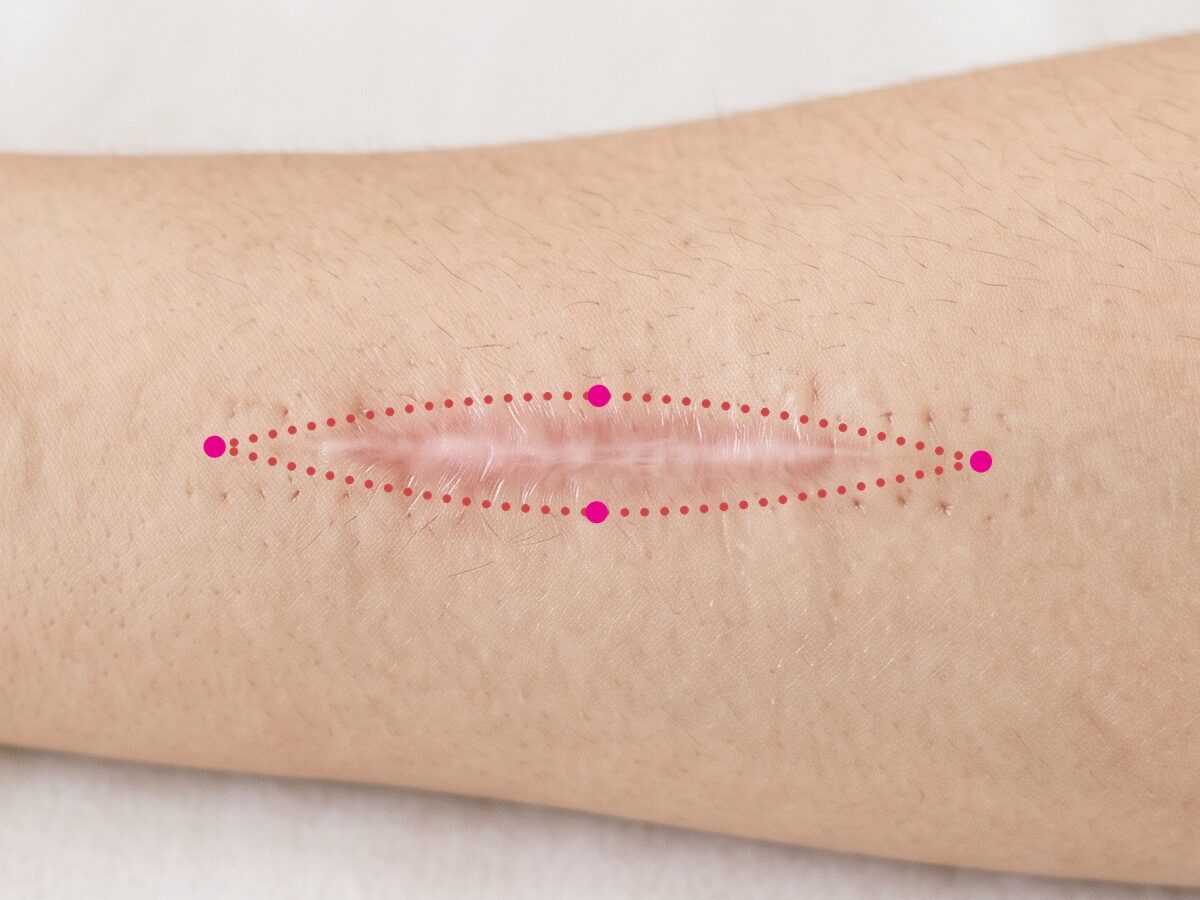
One-to-one diagnosis and design
When, where and how the scar formed is established first. The surgical design then follows the patient's own skin characteristics and structure.
Consultation, surgery and recovery: what to expect
The consultation establishes the history of the scar: how it was caused, how long ago, what treatment it has had and how it has behaved since. The scar is then examined for width, height, direction, contracture and color, and the surrounding skin for thickness and texture.
Timing matters. A scar that is still red and active is usually left to mature, since operating on an immature scar tends to give a poorer result. In general revision is considered from one to two months after the scar formed, but the decision depends on the individual scar.
The technique is chosen for the scar: simple excision for a wide but well-placed scar, Z-plasty or W-plasty where direction or tension is the problem. Skin grafts and flaps are used only to release a contracture, not for cosmetic scar revision. Aftercare is planned at the same time and may include silicone, compression and laser treatment in stages.
A revised scar goes through the same stages of healing as the original wound. Redness in the early months is expected and fades with time, and sun protection and adherence to the aftercare plan have a real effect on the final appearance.
Acne scarring and enlarged pores without a surgical scar are treated in the treatment rooms: see Scars & Pores.
Frequently asked questions
- Q1
Can a scar be removed completely?
No. Revision replaces one scar with another that is designed to be narrower, flatter, better aligned and less noticeable. The improvement can be substantial, but a faint line usually remains.
- Q2
When is the right time for revision?
Once the scar has stabilized, in general from one to two months after it formed. Fresh, red, still-changing scars are usually left to settle first. The timing is decided for each scar.
- Q3
What is the difference between Z-plasty and W-plasty?
Both break up a straight scar, but for different reasons. Z-plasty changes the direction of the scar and releases tight tissue, so it is chosen where there is contracture or tension. W-plasty softens the border of a scar so that it blends with the skin's lines.
- Q4
What happens after surgery?
Aftercare is staged. Fine sutures are removed at the right time, and silicone therapy, compression and laser treatment are added as the scar matures. Pigmentation is treated alongside the scar.
- Q5
Do you treat keloids?
Keloids and scars prone to recurrence are assessed individually. Surgery is combined with measures to reduce tension on the wound and with continued follow-up, since this type of scar can return.
Begin with
a conversation.
Consultations are led by Dr. Jeong or Dr. Lee, with our medical team supporting you throughout your visit. Appointments are recommended so that you can be seen without waiting, in English or Korean.
Results and recovery times vary from person to person, and every medical procedure carries potential side effects. The information on this page is provided for general guidance only and does not replace an in-person consultation. Please consult with our doctors for advice specific to your case.