
Aesthetic Treatments
Regenerative Treatments: PRP & Nanofat
자가조직 재생치료Regenerative medicine is often marketed using the term “stem cells,” but not every regenerative treatment is stem-cell therapy. At SNU Plastic Surgery Clinic, we focus on treatments derived directly from your own blood or fat — PRP and nanofat — without culturing or expanding cells outside the body.

Regeneration without calling everything a stem cell
Modern processing technology has made it possible to obtain more refined and reproducible fractions from blood and adipose tissue than was possible in the past.
From blood, platelets and their associated growth factors can be concentrated as PRP.
From harvested fat, mechanical processing can produce nanofat containing stromal cells, extracellular-matrix components and other biologically active elements naturally present in adipose tissue.
Improved centrifugation, filtration and closed processing systems can increase the purity or concentration of selected fractions and make preparation more consistent.
But concentration is not culture.
These processes do not multiply cells in a laboratory, and they should not be confused with cultured stem-cell therapy.
This distinction matters scientifically, medically and legally.
Cultured stem cells: a different category
Cultured stem-cell treatment involves isolating cells and expanding or substantially processing them outside the body before they are administered.
In Korea, this falls under a separate and tightly controlled regulatory framework.
Since 2025, selected advanced regenerative therapies may be used not only in approved clinical research but, under specific conditions, in the treatment of patients with serious, rare or intractable diseases.
This does not mean that cultured stem-cell treatment has become generally available.
Treatment must take place within the statutory advanced regenerative medicine system, at an appropriately designated institution, with the required review and approval of the treatment plan.
Most importantly, this framework does not provide a general route for cosmetic rejuvenation, anti-aging or wellness treatment with cultured stem cells.
A cell preparation being processed in a GMP-certified facility does not, by itself, make its administration legally permissible.
GMP describes standards for manufacturing and processing quality. It is not an approval of a treatment indication, route of administration or cosmetic use.
For this reason, cultured or expanded stem cells cannot simply be offered as an intravenous “anti-aging” or beauty treatment because they were prepared by a certified laboratory.
At SNU Plastic Surgery Clinic, we do not offer cultured stem-cell infusions for cosmetic or general anti-aging purposes.
PRP: regeneration from your own blood
PRP stands for platelet-rich plasma.
A small amount of your blood is collected and centrifuged so that a plasma fraction containing a higher concentration of platelets can be separated.
Platelets contain signaling proteins and growth factors involved in normal wound healing and tissue repair.
When PRP is placed back into selected areas of the skin, the intention is to use those signals to support healing, collagen remodeling and tissue recovery.
Clinical studies suggest potential improvement in skin texture, fine wrinkles and dermal quality, although results vary and the evidence for facial rejuvenation is more modest than some marketing claims suggest.
We therefore regard PRP primarily as a biological adjunct rather than a replacement for established structural or energy-based treatments.
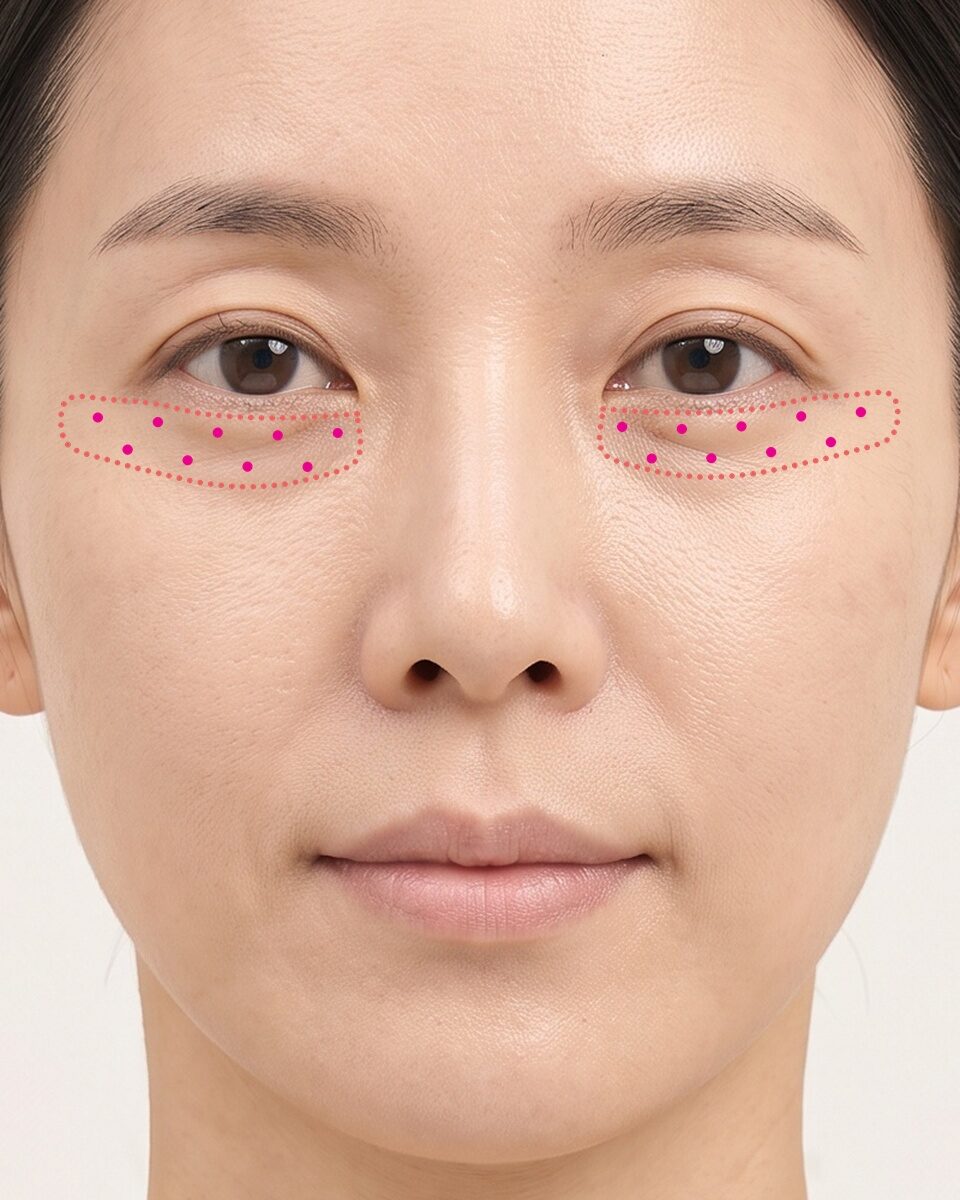
Where PRP can be useful
- 01
Skin quality
PRP may be considered when gradual improvement in texture and overall skin quality is the goal.
- 02
Fine lines and early aging
Its wound-healing signals may support collagen remodeling without adding artificial facial volume.
- 03
Scars and resurfacing
PRP can be particularly useful as an adjunct to fractional laser, microneedling or other treatments that deliberately stimulate tissue remodeling. Rather than performing all of the remodeling itself, PRP may support the healing environment created by the primary treatment. See Scars & Pores.
- 04
Selected surgical recovery
Because PRP is derived from the patient’s own blood and participates in normal wound-healing pathways, it can also be considered in selected surgical or regenerative treatment plans.
Nanofat: regenerative material from your own fat
Nanofat begins with a small amount of fat obtained by liposuction.
Unlike conventional fat grafting, its main purpose is not to create volume.
The harvested fat is mechanically processed into a very fine suspension. Much of the mature adipocyte structure responsible for conventional fat-graft volume is disrupted, while stromal tissue, extracellular matrix, microvascular components and regenerative cellular fractions can remain.
Modern processing techniques can improve the consistency of this preparation and, depending on the method, increase the relative concentration of selected stromal components.
This is sometimes described in marketing as “stem-cell-rich” treatment.
That description can be misleading.
Nanofat may contain cells with regenerative potential that naturally exist within adipose tissue, but those cells have not been cultured or expanded.
Nanofat is therefore better described as a mechanically processed autologous tissue preparation with regenerative potential — not as cultured stem-cell therapy.

What nanofat may improve
- 01
Thin and aging skin
Nanofat has been studied for changes in dermal thickness, collagen organization, vascularity and overall tissue quality.
- 02
Fine wrinkles and crepey texture
Because its conventional volumizing effect is limited, nanofat can be considered when improving tissue quality is more important than simply filling a hollow area.
- 03
Acne and other depressed scars
Scar treatment is one of the more actively studied uses of nanofat. Improvements in texture, pliability and appearance have been reported, although the strength and duration of the effect vary between studies.
- 04
Fine surgical or traumatic scars
Nanofat may be considered when the main problem is altered tissue quality rather than a scar wide or distorted enough to require formal surgical revision. For wider, strongly tethered or structurally distorted scars, subcision, resurfacing or surgical scar revision may still be necessary.
PRP and nanofat are not the same treatment
| PRP | Nanofat | |
|---|---|---|
| Source | Your own blood | Your own adipose tissue |
| Main biological component | Platelets and platelet-associated signaling factors | Mechanically processed stromal tissue, extracellular matrix, microvascular and cellular fractions derived from fat |
| Best thought of as | A wound-healing and regenerative adjunct | An autologous tissue-based regenerative treatment |
| Procedure | Blood draw and centrifugation | Small-volume liposuction followed by mechanical processing |
| Typical role | Skin quality, healing support and combination with resurfacing or scar treatment | Thin skin, textural aging and selected scars |
Neither treatment involves laboratory expansion of stem cells.
Local regeneration, not systemic “anti-aging”
The biology of PRP and adipose-derived regenerative tissue is interesting, but regenerative medicine should not be used to justify claims beyond the clinical evidence.
We do not use these treatments to claim improvement in immunity, chronic fatigue, sleep quality or whole-body aging.
Their role at SNU Plastic Surgery Clinic is local and anatomical.
We use them where tissue quality, healing or scar remodeling is the actual problem.
This is fundamentally different from giving cells or tissue-derived preparations intravenously and assuming that circulation through the bloodstream will rejuvenate the entire body.
Better processing does not mean more cultured cells
One of the important advances in regenerative treatment has been better processing.
Closed systems, more precise centrifugation and refined mechanical filtration can produce more consistent preparations and may increase the relative concentration or preservation of the biological component being targeted.
For PRP, the aim is to obtain an appropriate platelet-rich fraction.
For nanofat, the aim is to remove unnecessary large adipose components while preserving a fine stromal and regenerative tissue fraction.
These advances may improve reproducibility and reduce contamination or processing variability.
But enrichment is not expansion.
A sample can contain a higher proportion of platelets, stromal cells or regenerative components after separation without any new cells having been created.
Culture expansion is fundamentally different: cells are grown and multiplied outside the body.
The two should not be presented as the same technology.
GMP certification does not make a treatment legal
The term GMP is sometimes used in stem-cell marketing as though it were an approval of the treatment itself.
It is not.
GMP refers to standards governing how a biological or pharmaceutical product is manufactured, processed and controlled.
It does not independently authorize a physician to administer cultured cells for any purpose.
A product can therefore be processed under high-quality conditions and still not be legally available for a particular indication.
In Korea, advanced regenerative therapies using cultured or expanded cells must follow the applicable regulatory pathway.
Limited pathways exist for approved clinical research and for specifically reviewed treatment of serious, rare or intractable diseases within designated advanced regenerative medicine institutions.
Routine cosmetic rejuvenation, general anti-aging and wellness are outside that framework.
For patients considering treatment promoted as “GMP stem cells,” the more important questions are therefore:
- What exactly are the cells?
- Were they cultured or expanded?
- What indication are they being used for?
- Is that use authorized under the Korean regulatory framework?
- And is there reliable clinical evidence for that specific treatment?
A GMP label alone does not answer any of these questions.
What makes regenerative treatment here different
Know exactly what is being used. We distinguish between platelets, mechanically processed adipose tissue, stromal fractions and cultured stem cells rather than using “stem cell” as a general marketing term.
Do not confuse concentration with culture. Modern processing may enrich a useful biological fraction, but this does not mean that stem cells have been multiplied.
Use autologous tissue for a defined purpose. PRP and nanofat are selected according to the anatomical problem being treated rather than being presented as universal anti-aging treatments.
Combine biology with structural treatment. A tethered scar may still need release. Rough skin may still need resurfacing. Loss of facial volume may still require fat grafting or another form of structural restoration. Biological treatment works best when the actual structural problem has also been addressed.
Avoid claims beyond the evidence. Regenerative medicine is developing rapidly, but promising biology is not the same thing as proven clinical benefit. Our treatment recommendations change as better evidence becomes available.
What to expect
- STEP 01
Assessment
Dr. Jeong or Dr. Lee examines the skin, scar or tissue that needs improvement and decides whether biological regeneration is likely to add meaningful benefit.
- STEP 02
Choosing the source
PRP is chosen when a blood-derived regenerative adjunct is appropriate. Nanofat requires harvesting a small amount of adipose tissue and is considered when a tissue-based regenerative approach is more suitable.
- STEP 03
Treatment
PRP is prepared from blood collected around the time of treatment. Nanofat is prepared from freshly harvested autologous fat using mechanical processing. Both are intended for defined local treatment rather than routine intravenous anti-aging infusion.
- STEP 04
Remodeling
Neither PRP nor nanofat should be expected to create an instant transformation. When improvement occurs, it develops gradually as healing and tissue remodeling progress over the following weeks and months.
Frequently asked questions
- Q1
Is PRP a stem-cell treatment?
No. PRP consists primarily of plasma with a concentrated platelet fraction obtained from your own blood. Its regenerative interest comes mainly from platelet-associated signaling molecules involved in normal healing, not from cultured stem cells.
- Q2
Is nanofat a stem-cell treatment?
Not in the sense usually implied by the phrase “stem-cell therapy.” Nanofat is mechanically processed adipose tissue. It can contain stromal and regenerative cellular components naturally present in fat, but those cells are not cultured or expanded in a laboratory. We therefore prefer the term autologous regenerative tissue treatment.
- Q3
Does newer processing increase the number of stem cells?
Processing can increase the relative concentration of a selected cellular or biological fraction and may preserve more viable stromal components. That is different from culture expansion. Centrifugation, washing and mechanical filtration separate or concentrate what is already present. Culture allows cells to proliferate and increase in number outside the body.
- Q4
If stem cells are processed at a GMP facility, can they be used for anti-aging treatment in Korea?
No — GMP certification alone does not authorize the treatment. GMP concerns the quality of manufacturing and processing. Cultured or expanded cell treatment remains subject to Korea’s advanced regenerative medicine and biopharmaceutical regulations. Selected therapies may be used within approved research or within the regulated treatment pathway for serious, rare or intractable diseases at designated institutions after the required review. This should not be confused with permission to provide cultured stem cells as a routine cosmetic, wellness or anti-aging treatment.
- Q5
Why not use cultured stem cells if they contain more cells?
A larger number of cells does not automatically make a treatment more effective or safer. Culture changes the regulatory category and introduces additional questions regarding cell characteristics, manufacturing, contamination, dosing, long-term behavior and clinical effectiveness. For routine aesthetic practice, we prefer treatments whose composition and clinical purpose can be explained clearly and used within an appropriate regulatory framework.
- Q6
Which is better, PRP or nanofat?
They are different treatments. PRP is relatively simple to obtain and can be useful as an adjunct when the aim is to support healing and skin remodeling. Nanofat requires a minor liposuction procedure but provides an adipose-derived regenerative tissue fraction and may be considered when more substantial treatment of thin skin or scars is appropriate.
- Q7
Can these treatments improve scars?
Yes, in selected cases. PRP has been studied particularly as an adjunct to fractional laser and microneedling. Nanofat has also shown encouraging results for scar texture and tissue quality. However, neither replaces subcision or surgical scar revision when the scar has a structural problem requiring mechanical correction. See also Scars & Pores.
- Q8
Do you offer cultured stem-cell IV therapy for general anti-aging?
No. We do not offer cultured or expanded stem-cell intravenous treatment as routine cosmetic, wellness or general anti-aging therapy. In Korea, the existence of a GMP-certified processing facility does not by itself make such use permissible. Our regenerative treatments are directed at defined local problems using autologous blood- or fat-derived preparations whose origin, processing and clinical purpose can be clearly explained.
Begin with
a conversation.
Consultations are led by Dr. Jeong or Dr. Lee, with our medical team supporting you throughout your visit. Appointments are recommended so that you can be seen without waiting, in English or Korean.
Results and recovery times vary from person to person, and every medical procedure carries potential side effects. The information on this page is provided for general guidance only and does not replace an in-person consultation. Please consult with our doctors for advice specific to your case.