Eye Surgery
Ptosis Correction
안검하수교정술When the muscle that lifts the upper eyelid is weak, the eye never opens fully. Ptosis correction restores that function first, and shapes the eyelid around it.

Function first, then form
A drooping upper eyelid is not only a cosmetic matter. When the lid sits low it narrows the field of vision, tires the eyes and makes the whole face look sleepy or uneven.
SNU Plastic Surgery Clinic works from the principle that a natural appearance begins with correct structure. The underlying cause of the droop is diagnosed precisely, and the correction is planned with functional improvement as the first priority.
Restoring the structural balance of the eye and creating a clear, natural impression are then two outcomes of the same operation rather than competing goals.
What ptosis is
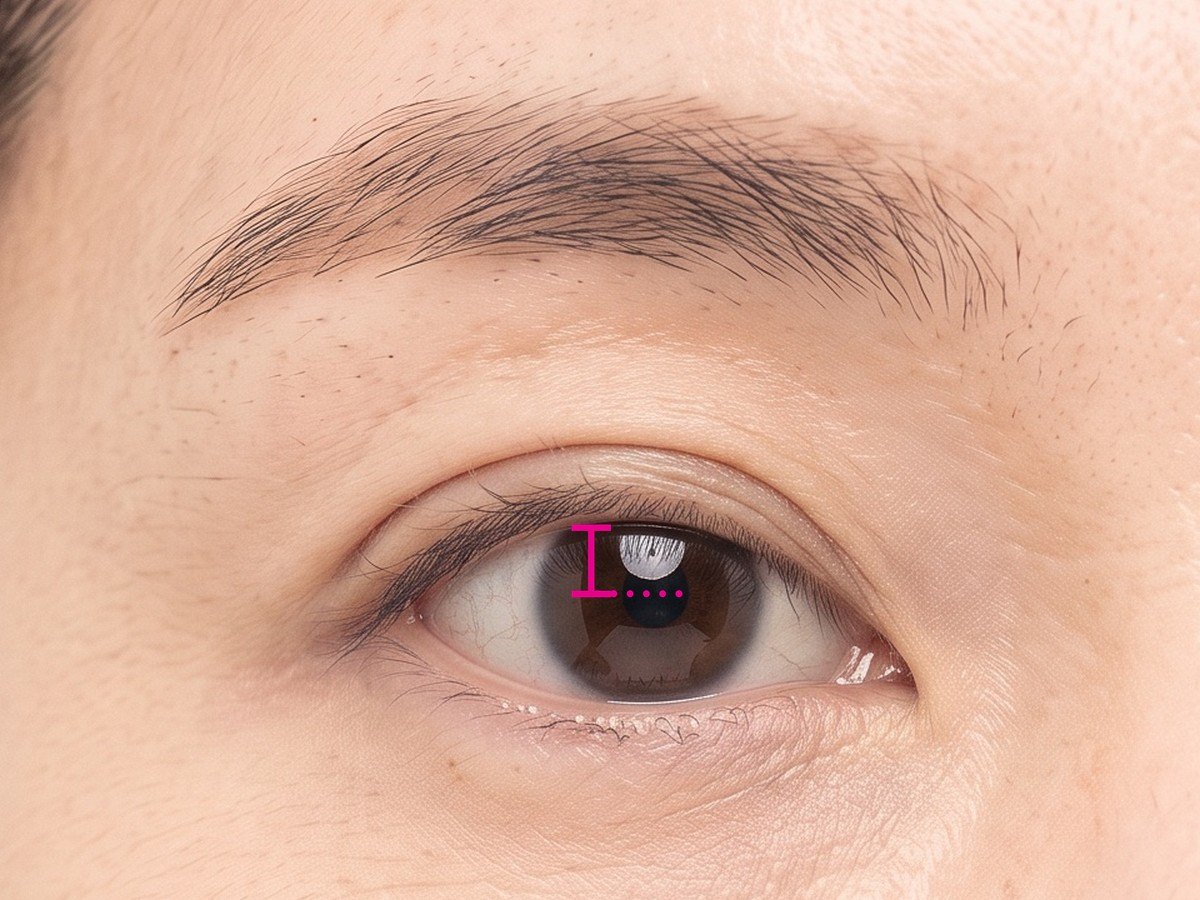
Ptosis is the condition in which the levator muscle, which raises the upper eyelid, is too weak to open the eye fully. The lid hangs low and may cover part of the pupil.
Left untreated, it can lead to sleepy-looking eyes, asymmetry between the two sides, headaches, and overuse of the forehead muscles as the brow works to hold the lid up.
Ptosis may be present from an early age or develop over time as the muscle and its tendon stretch. Either way, the assessment asks how well the muscle works and how much lift is needed.
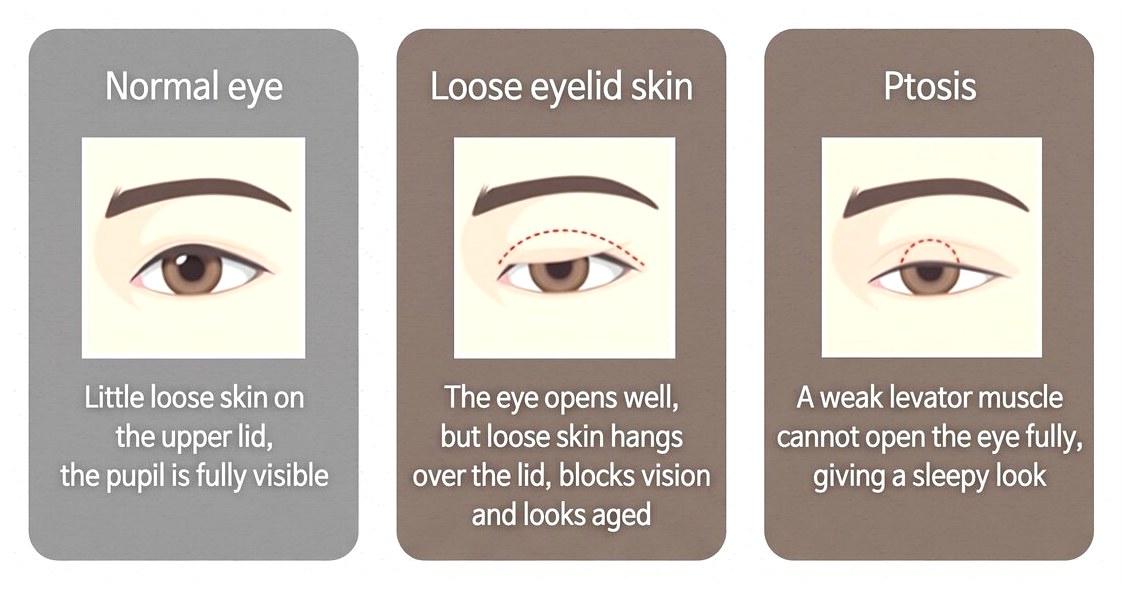
Signs of ptosis
Ptosis often goes unrecognized because it develops gradually and the face learns to compensate. The following signs are common.
One or both eyes do not open fully, even when you feel wide awake.
The eyelid sits low enough to narrow the upper field of vision.
The eyes look uneven, sleepy or droopy, particularly in photographs.
You raise your eyebrows or tense your forehead to lift the eyelids, often without noticing.

Accurate diagnosis, careful correction, natural results
Before any surgery the cause of the ptosis and the working strength of the levator muscle are evaluated. The degree of droop, the position of the crease, the position of the brow and the difference between the two eyes are all measured.
The operation is then tailored to the individual structure rather than applied as a set procedure. How much the muscle is tightened, where the crease is placed and how much skin is addressed differ from patient to patient.
The approach is integrated: functional recovery and aesthetic harmony are planned together, so that the eye opens well and also looks as though it belongs to the face. This is a distinct operation from an upper blepharoplasty, which removes excess skin but does not strengthen the muscle.
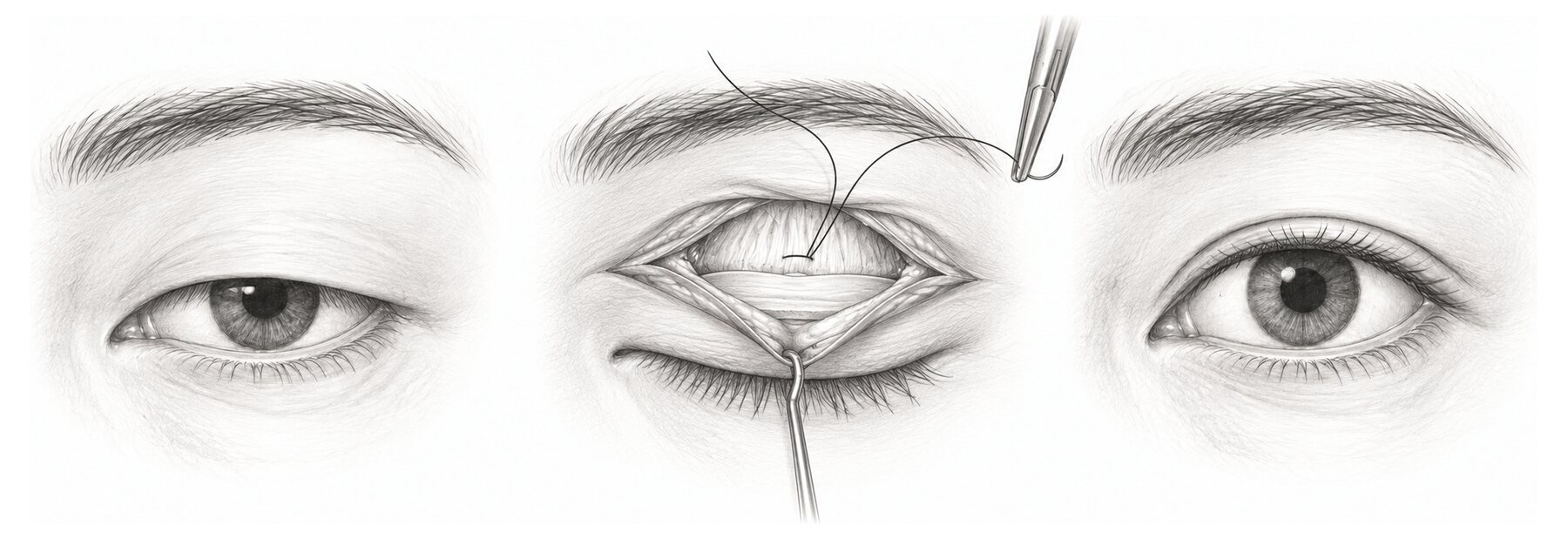
The procedure step by step
- STEP 01
Before surgery
The lid position, the function of the levator muscle and the crease design are confirmed and marked.
- STEP 02
Incision
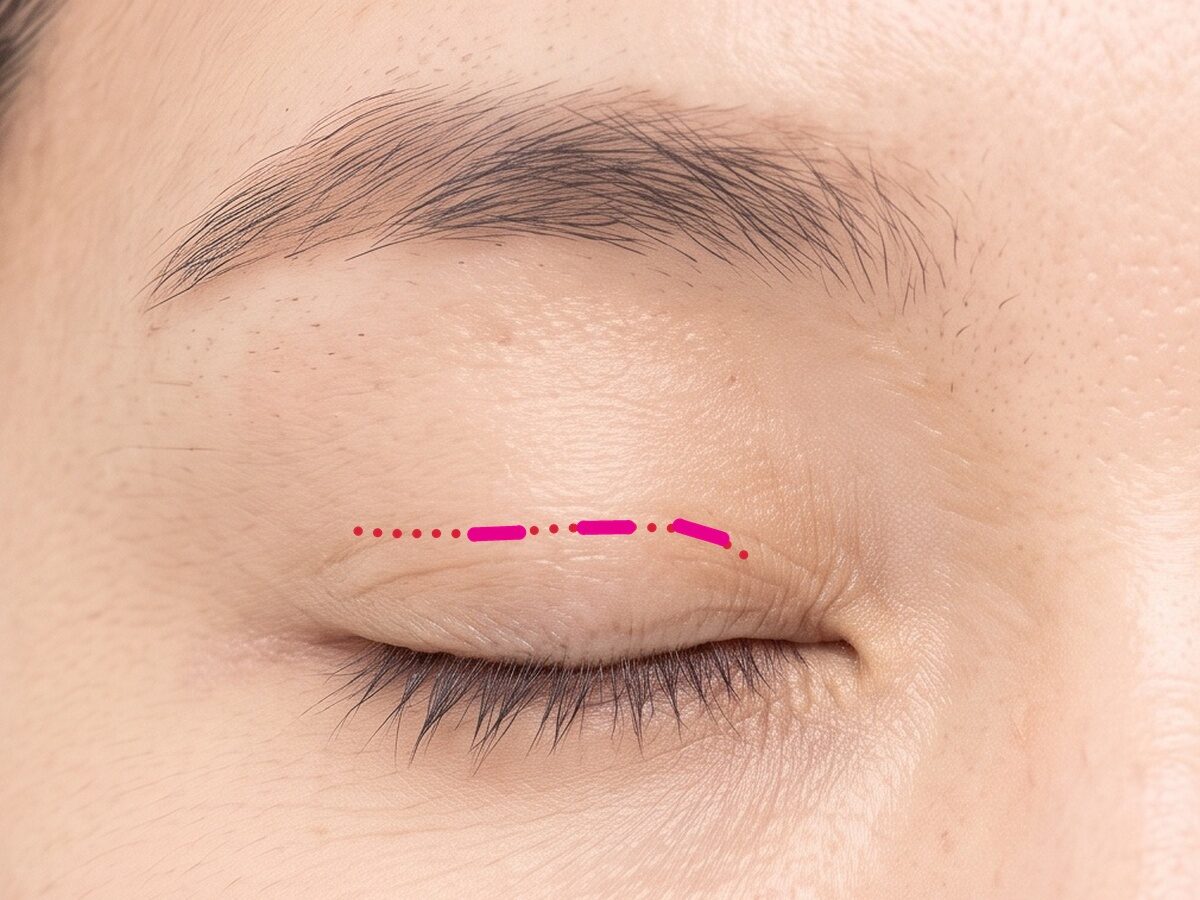
After thorough planning, a skin incision is made along the planned crease line.
- STEP 03
Tissue adjustment
Excess fat and soft tissue that weigh on the lid are removed.
- STEP 04
Crease formation
The levator muscle is connected to the dermis to create a double eyelid fold in the shape agreed beforehand.
- STEP 05
Muscle shortening and closure
The levator is shortened to restore its lifting strength, and the skin is closed with fine sutures.
- STEP 06
After surgery
The eye opens fully and the crease sits in a natural position.
What makes the clinic's approach different
- SPECIAL 01
Faster recovery through minimal incision
Keeping the incision small reduces pain and swelling and keeps scarring minimal, so most patients return to work and daily life without long interruption.
- SPECIAL 02
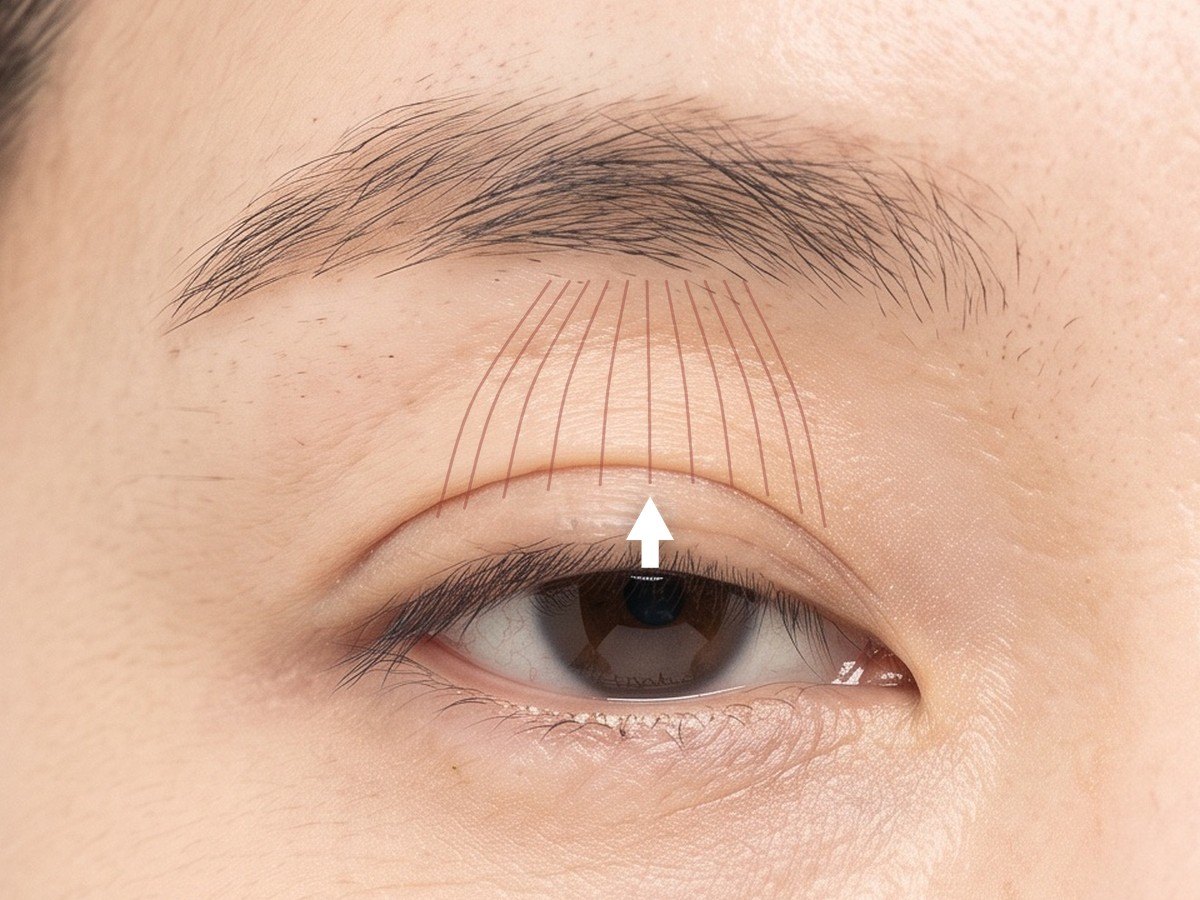
Precise muscle adjustment
The lid-lifting muscle is adjusted finely so that more of the iris is visible, the sleepy look is corrected and the eyes regain their vitality.
- SPECIAL 03
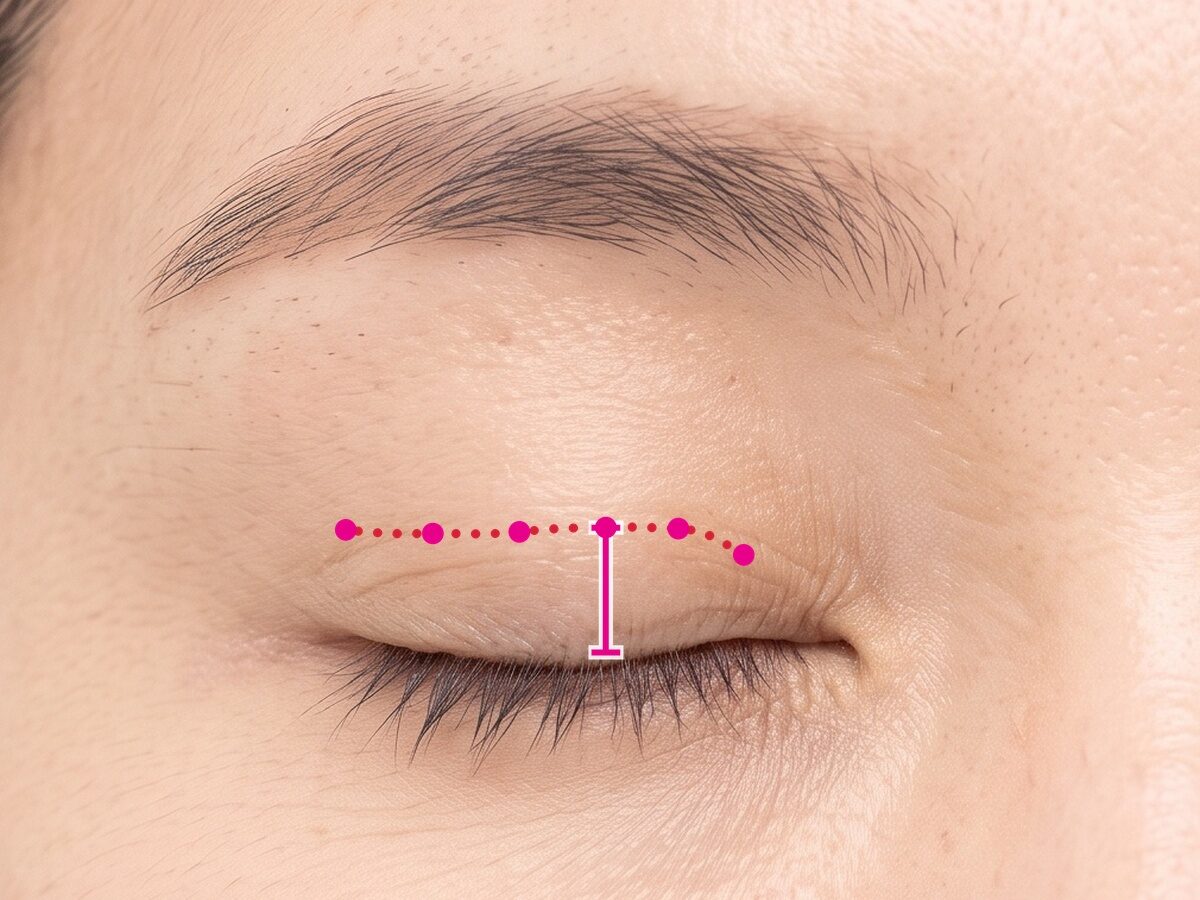
Custom design, natural line
The structure of the eye and the proportions of the face are analyzed and the design tailored, for a line that does not look artificial and an impression that is balanced.
- SPECIAL 04
Led by our physicians
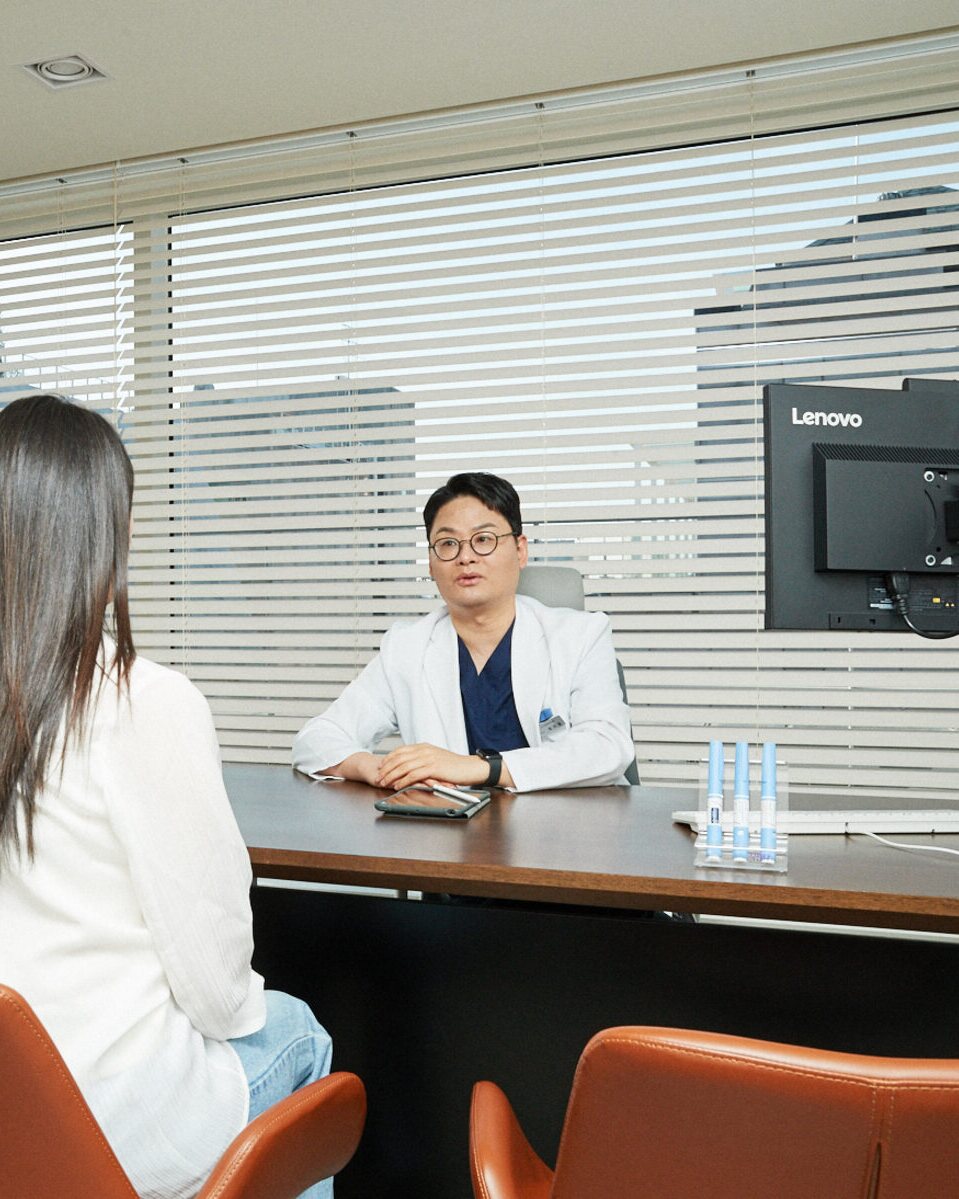
Consultations and procedures are led by Dr. Jeong or Dr. Lee, supported by our medical team. Read more about our doctors.
Eyes that droop with age
In middle age the change around the eyes is not confined to the skin. The muscle that lifts the lid and the soft tissue around it also stretch and lose their tone, and the lid begins to sit lower.
Removing skin alone in this situation leaves the underlying cause untouched. The clinic addresses the fundamental structure, restoring a natural eye shape together with comfortable function, so the result is an eye that looks rested and also opens more easily.
Where age-related droop comes with a heavy brow, the assessment considers the forehead as well. A low brow can add to the appearance of ptosis, and in some patients an endoscopic brow lift becomes part of the discussion.
Consultation, procedure and recovery: what to expect
Consultation with Dr. Jeong begins with measurement: how high each lid sits, how much lift the levator produces, where the crease and brow fall, and how the two sides differ. Photographs are taken for planning.
The plan sets out whether the muscle needs shortening, how the crease will be shaped and whether excess skin or fat should be addressed at the same time. The operation is then performed through a skin incision along the planned crease.
Swelling is expected in the first days, and the two eyes commonly look slightly different from each other while it settles. The final lid position is judged once the swelling has resolved, and results vary from patient to patient.
Frequently asked questions
- Q1
How do I know whether I have ptosis or just excess skin?
The distinction is made at examination by testing how well the levator muscle lifts the lid. If the muscle works normally and loose skin is the issue, an upper blepharoplasty may be all that is needed; if the muscle is weak, skin removal alone will not open the eye.
- Q2
Will I have a double eyelid afterward?
In this technique the levator is connected to the dermis to create a crease, so a fold is formed as part of the operation. Its height and shape are designed with you beforehand, and a subtle line is possible.
- Q3
Can only one eye be corrected?
Yes, when the ptosis is one-sided. Because lifting one lid can change how the other appears, both eyes are assessed and the plan aims at symmetry between them.
- Q4
Will the tension in my forehead go away?
When the eyelid opens on its own, the forehead no longer needs to compensate. In most patients the habit of raising the brows eases over time.
- Q5
Is ptosis correction suitable at an older age?
Yes. Age-related stretching of the lifting muscle is one of the most common reasons for the procedure, and the plan then accounts for excess skin and brow position as well as muscle strength.
Begin with
a conversation.
Consultations are led by Dr. Jeong or Dr. Lee, with our medical team supporting you throughout your visit. Appointments are recommended so that you can be seen without waiting, in English or Korean.
Results and recovery times vary from person to person, and every medical procedure carries potential side effects. The information on this page is provided for general guidance only and does not replace an in-person consultation. Please consult with our doctors for advice specific to your case.