
Rhinoplasty
3D Rhinoplasty
3D코성형A tip-focused rhinoplasty developed for the thicker skin and limited cartilage common in Asian noses. The patient's own ear cartilage is shaped into a three-dimensional framework that gives the tip definition, volume and lasting support.

3D rhinoplasty: a tip-focused technique
3D Nasal Tip Reshaping Technique
Asian noses often combine thick skin over the tip with a limited amount of cartilage to work with. Under these conditions a conventional tip procedure can produce a nose that looks higher but not more defined.
3D rhinoplasty is a tip-focused technique designed to achieve shape, volume and a natural appearance at the same time. It starts from an analysis of each patient's anatomy: skin thickness, cartilage size and the contour of the whole nose.
From that analysis a three-dimensional plan is drawn up for the individual nose. The aim is a contour that looks natural from every angle and is built to hold its form over the long term.
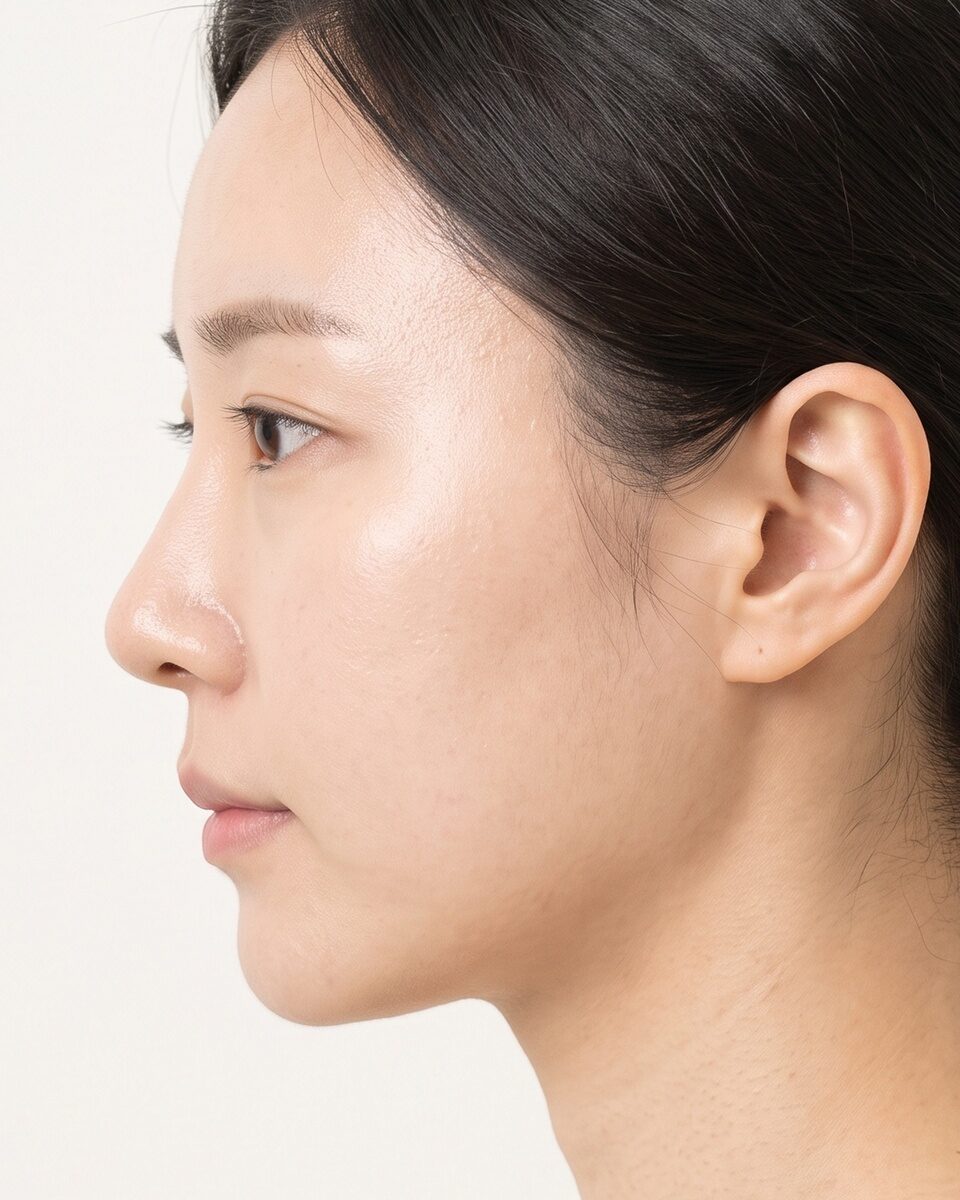
Who 3D rhinoplasty is for
- 01
A blunt or low nasal tip
The tip lacks definition or height, and a more refined line would suit the face.
- 02
Bridge and tip out of proportion
The bridge and the tip do not sit well together, and a softer, continuous line is wanted.
- 03
A low tip angle
The angle of the tip is low, so the side profile looks heavy or closed.
- 04
Dissatisfaction after previous surgery
The shape or angle achieved by an earlier rhinoplasty is not satisfactory and a revision is being considered.
Three principles behind the technique
- POINT 1
Individual design in three dimensions
Curves, projection and the proportions of the whole face are considered together. The nose is planned as part of the face, not in isolation.
- POINT 2
Ear cartilage shaped into the Ram Shape framework
The patient's own ear cartilage is assembled into a three-dimensional structure the clinic calls the Ram Shape, after the form of a ram. The framework gives the tip strong support and natural volume.
- POINT 3
Structural stability for the long term
Because the new tip rests on a structural framework, the three-dimensional line is designed to keep its shape over time.
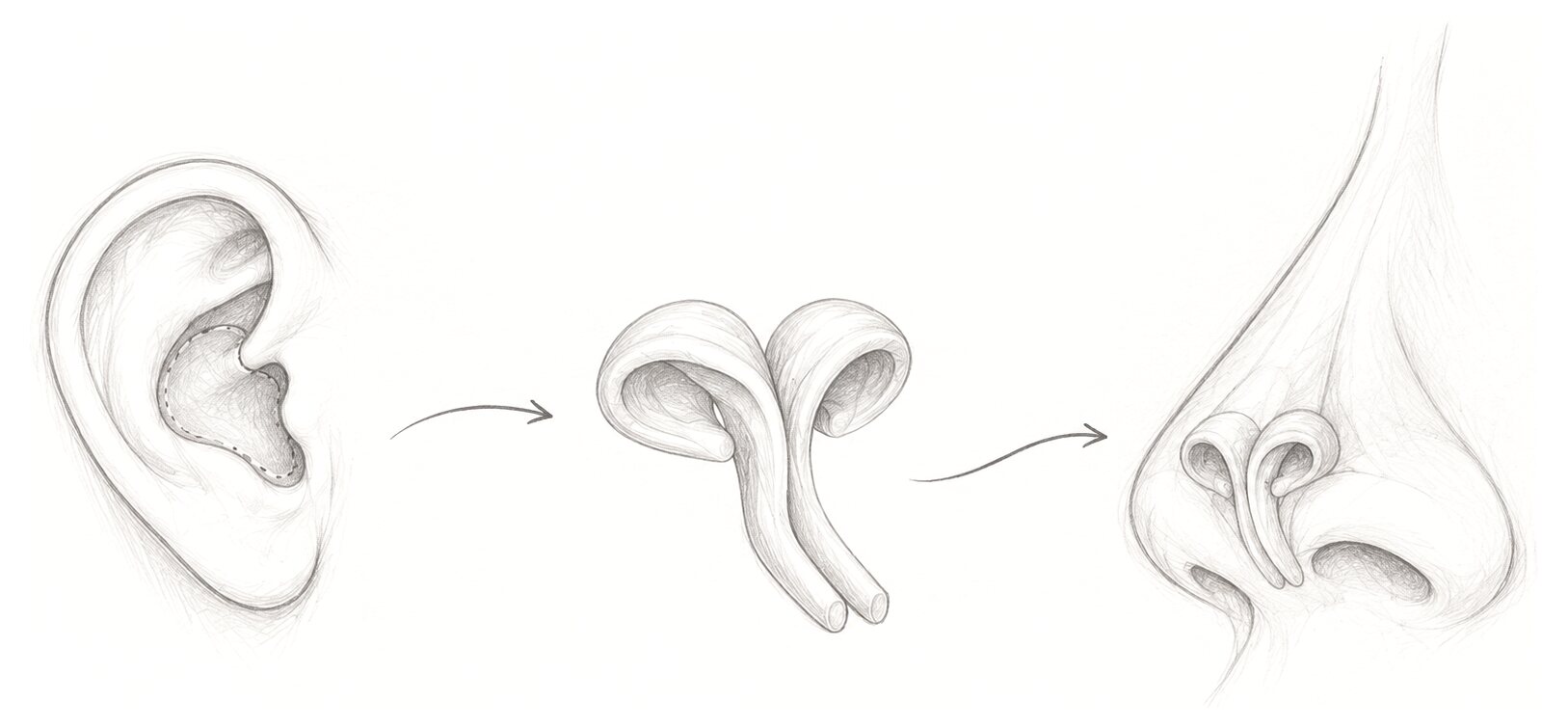
The surgical process

Consultation and analysis of tip, skin and cartilage
A detailed consultation and examination establish the thickness of the skin, the size of the available cartilage and the contour of the whole nose. The design is drawn up to fit these findings.
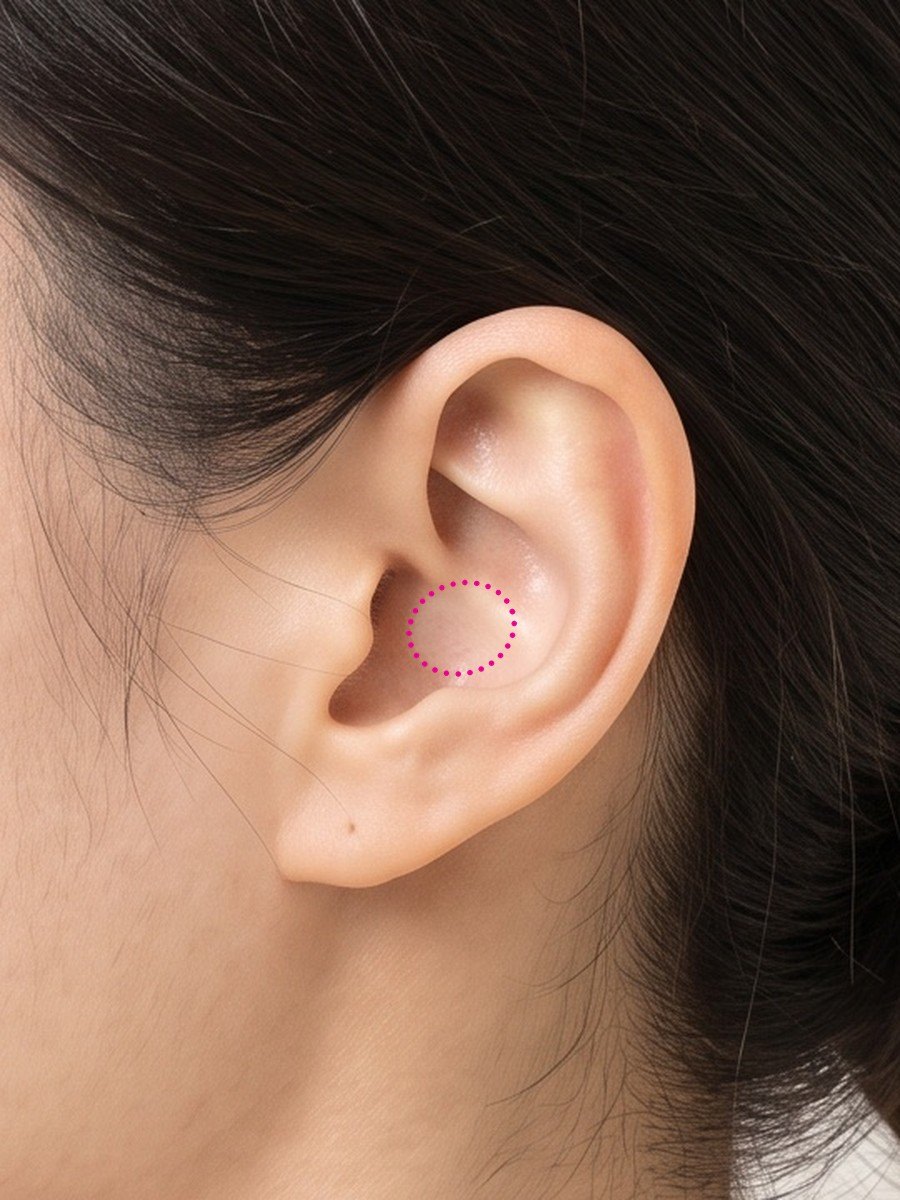
Harvesting ear cartilage and assembling the Ram Shape
Cartilage is taken from the ear and structured into the three-dimensional Ram Shape. The framework is grafted to the tip and fixed in place, positioned according to the patient's skin characteristics and facial angles.
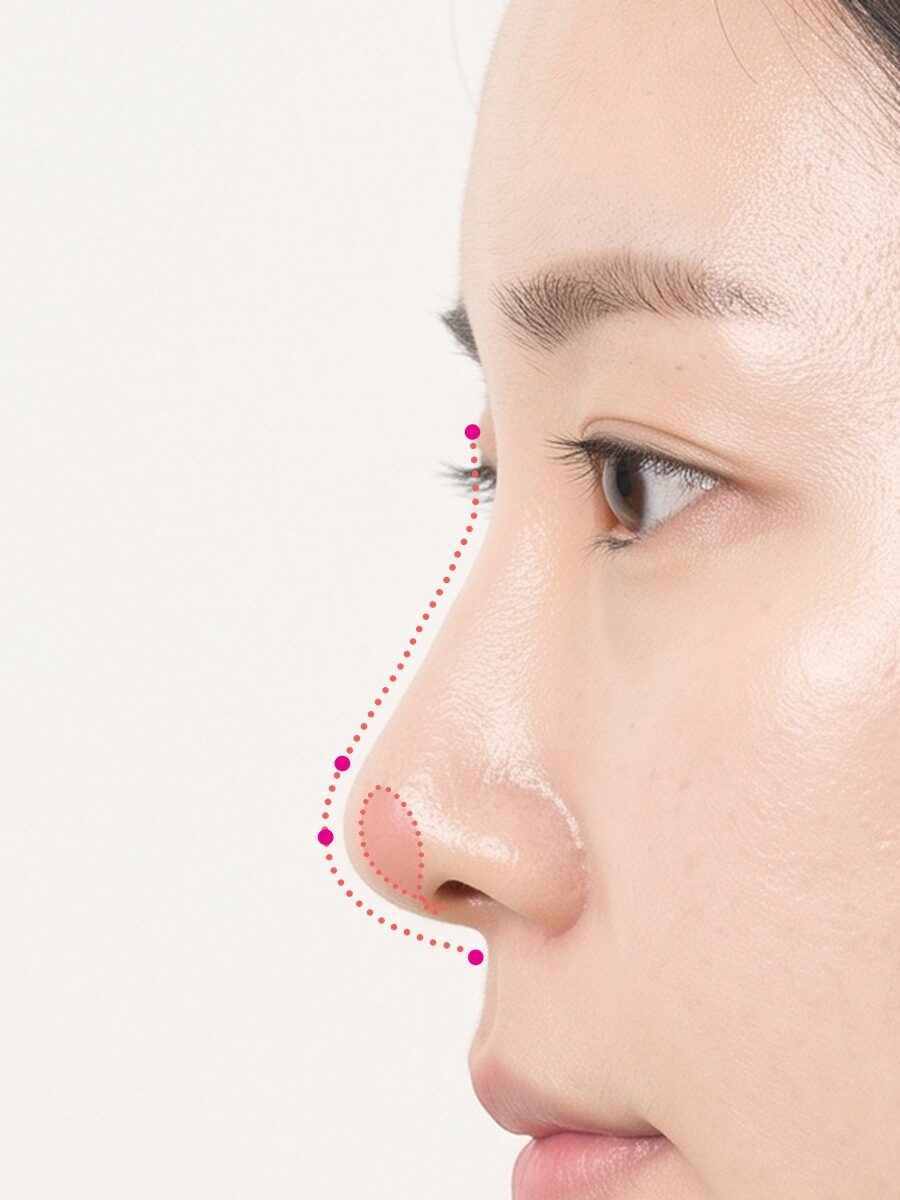
Refining the whole contour
With the graft as the foundation, the volume and line of the tip are shaped. The junction between tip and bridge is then refined so that the nose reads as one balanced contour.
The right angle for your face
Not simply a higher nose, but the balance that fits each face and its own proportions.
Height on its own does not make a good nose. What matters is the balance between the bridge, the tip and the rest of the face, and that balance is different for every patient.
Rhinoplasty at SNU Plastic Surgery Clinic can address the whole nose, from the bridge to the tip, adding dimension to the face as a whole. As a rule the bridge is raised with an implant and the tip is corrected with the patient's own cartilage, although the choice of implant and material varies with each patient's condition.
The goal is a change that looks natural in motion as well as in photographs, and that sits quietly within the face rather than announcing itself.
What makes 3D rhinoplasty at the clinic different
- SPECIAL 01
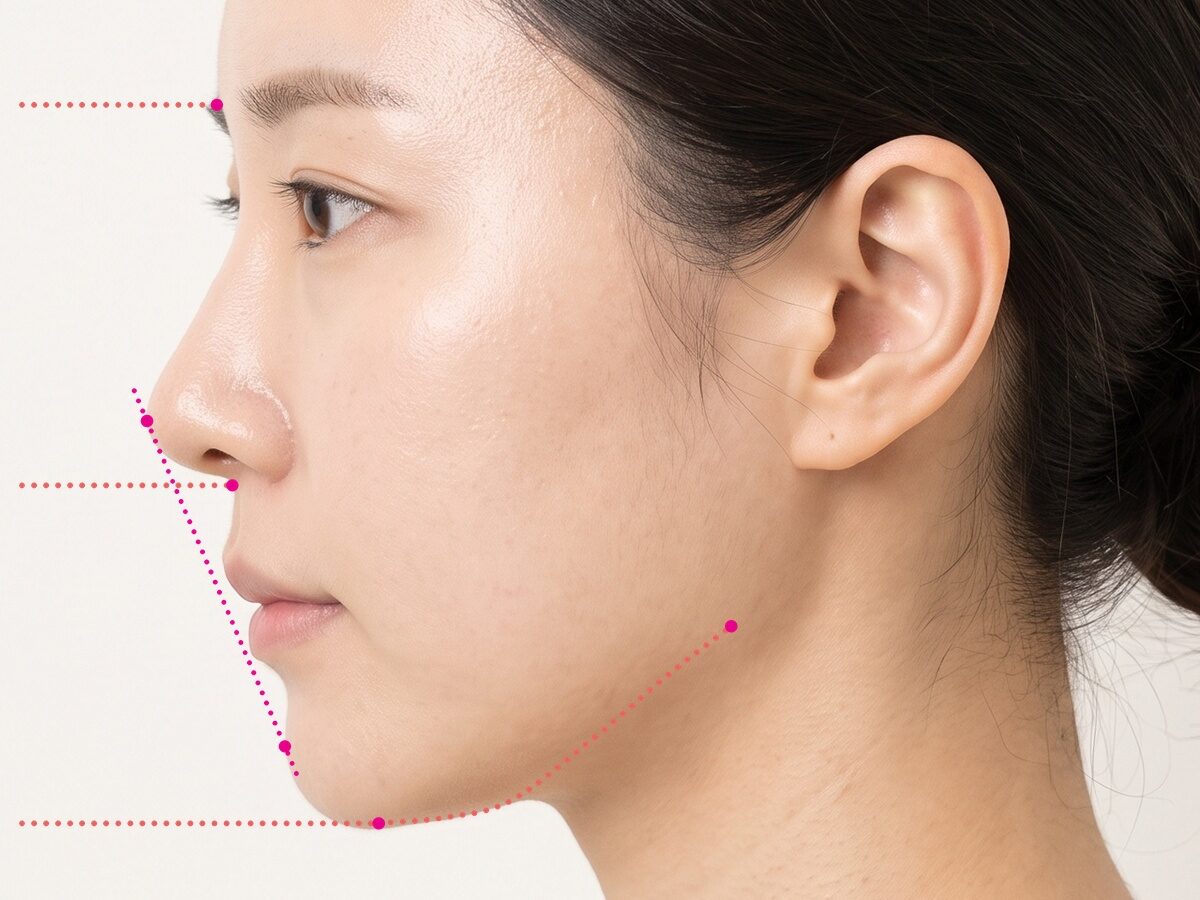
Three-dimensional design based on facial proportions
From the forehead to the jawline, the balance and curves of the whole face inform the design. The nose then contributes to a natural, dimensional impression rather than standing apart from it.
- SPECIAL 02
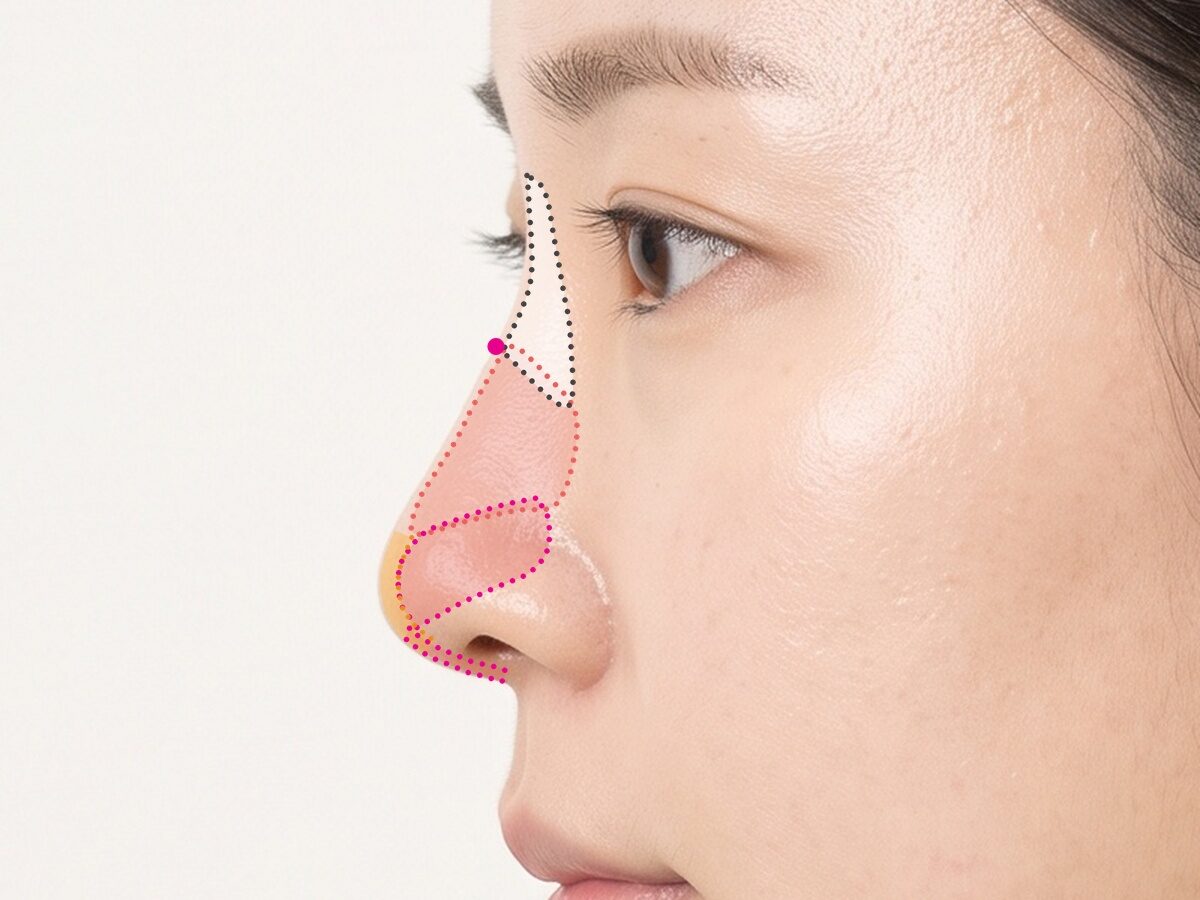
Anatomy-based analysis
Bone structure, skin thickness and soft tissue are assessed before surgery, so that the length, height and angle of the nose can be quantified and planned in advance.
- SPECIAL 03
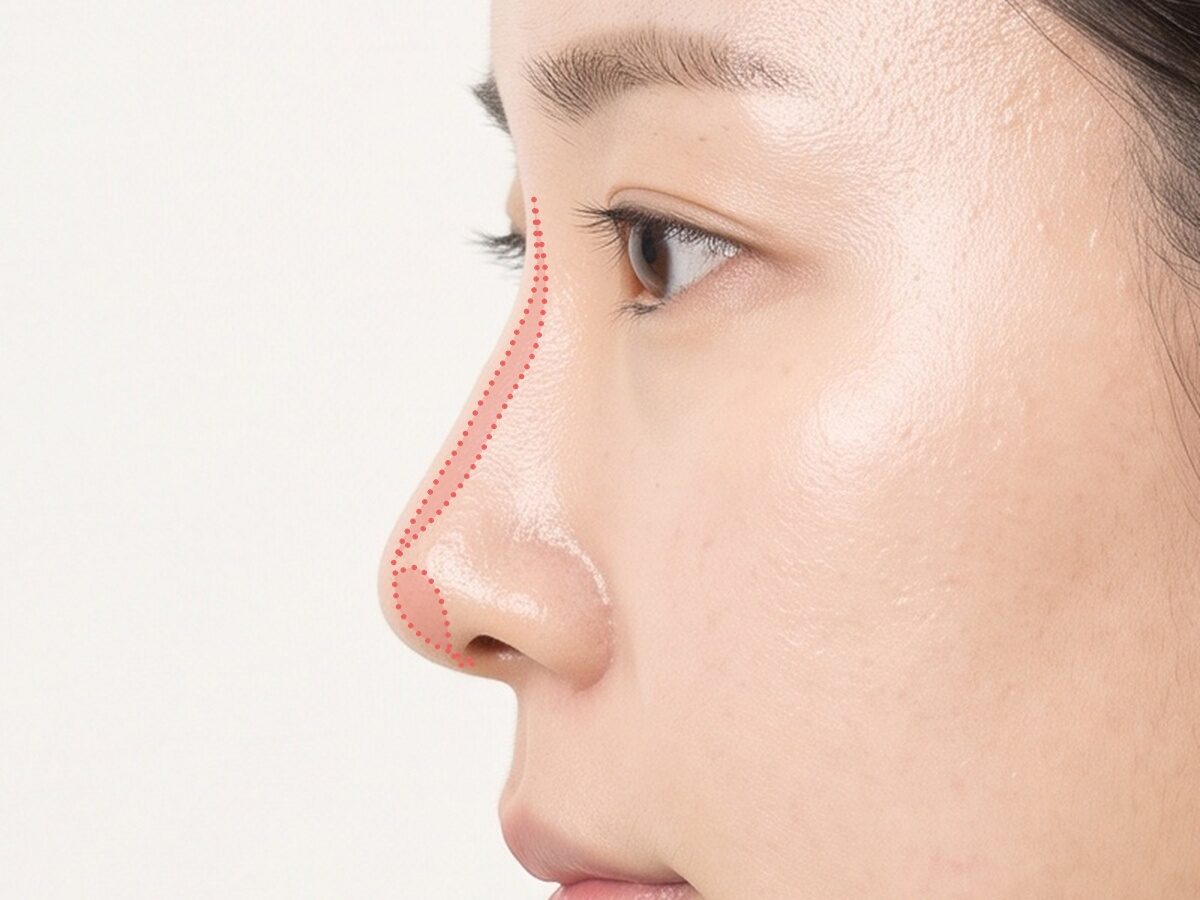
An individualized surgical method
From the choice of incision to the choice of materials, each step is matched to the patient's structure and condition, with precision and safety as the priorities.
- SPECIAL 04

Led by our physicians
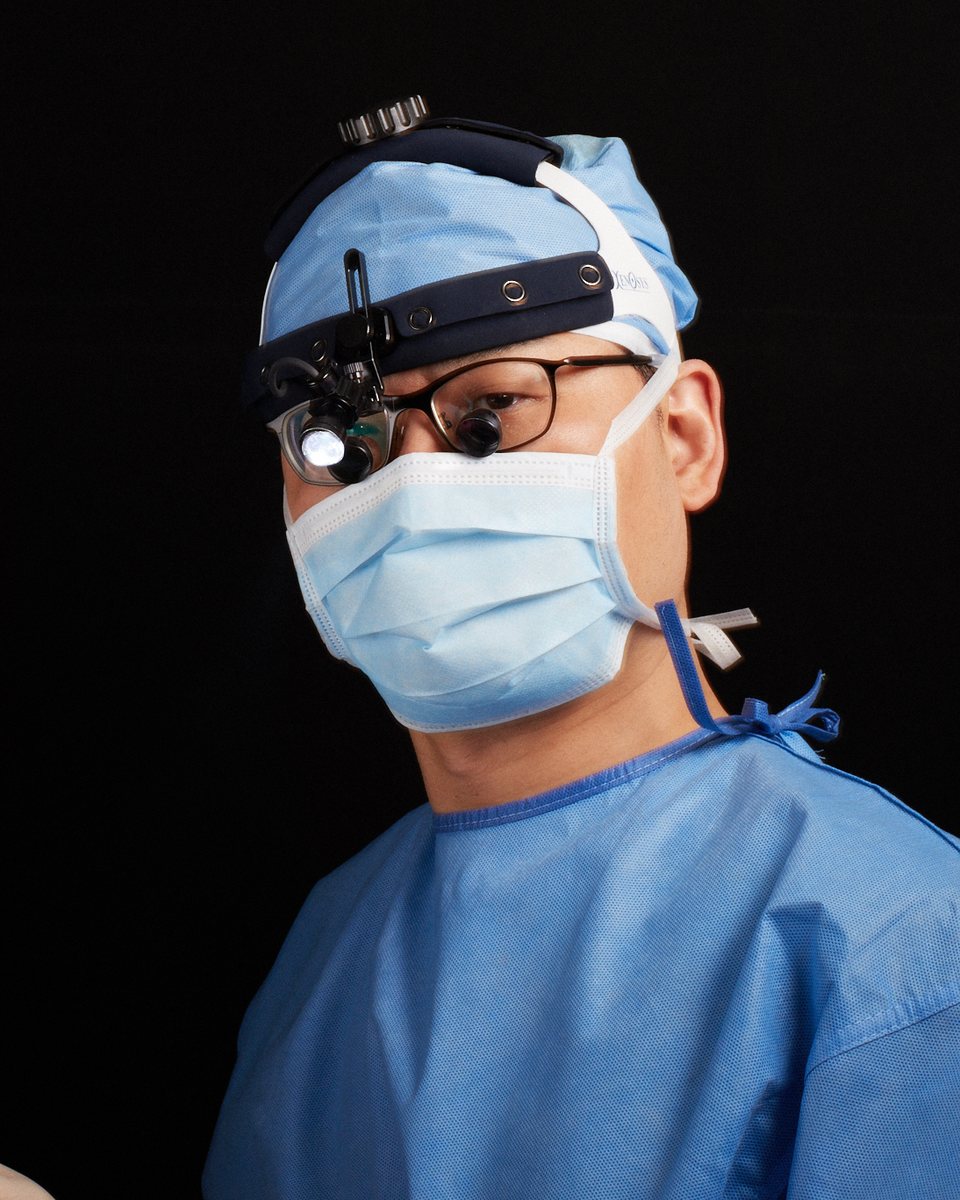
Consultations and procedures are led by Dr. Jeong or Dr. Lee, supported by our medical team. Read more about our doctors.
Consultation, surgery and recovery: what to expect
The consultation begins with an examination of the nose in the context of the whole face: the skin, the cartilage, the bridge and the way the tip relates to the lip and chin. Measurements taken at this stage support the plan, and Dr. Jeong explains what can and cannot be changed.
Primary and revision cases are planned differently. In a first rhinoplasty the surgeon works with untouched tissue; in a revision, scar tissue and any previously placed material must be taken into account, and the cartilage still available may be limited. Any records of earlier surgery are helpful at this stage.
During surgery the ear cartilage is harvested, assembled and fixed to the tip as described above, and the bridge is addressed where the plan calls for it. The donor site on the ear is closed with the incision placed to be unobtrusive.
Swelling is expected in the first weeks, and the tip is usually the last part of the nose to settle. The final contour emerges gradually as the tissues soften, and follow-up visits allow progress to be checked along the way.
Frequently asked questions
- Q1
What is the Ram Shape?
It is the clinic's name for the three-dimensional framework built from the patient's own ear cartilage. Rather than resting a single piece of cartilage on the tip, the pieces are assembled into a structure that supports the tip from within and gives it volume.
- Q2
Why use ear cartilage for the tip rather than an implant?
The tip is the most mobile part of the nose, and in our experience the patient's own cartilage tolerates that environment well and feels natural. Implants are used for the bridge, and the choice of material always depends on the patient's condition.
- Q3
Can 3D rhinoplasty be used for a revision?
Yes. Dissatisfaction with the shape or angle after a previous operation is one of the situations the technique is designed for. Revision cases need a separate assessment, because scar tissue and the cartilage still available determine what can be done.
- Q4
Will the nose look obviously operated on?
The design starts from the proportions of the whole face rather than from a template, and the aim is a nose that sits naturally within those proportions. Height and projection are chosen for balance, not for their own sake.
- Q5
How long does the result last?
The framework is designed for structural stability and long-term retention of the shape. Individual results vary, and the nose continues to change slowly with age, as the rest of the face does.
Begin with
a conversation.
Consultations are led by Dr. Jeong or Dr. Lee, with our medical team supporting you throughout your visit. Appointments are recommended so that you can be seen without waiting, in English or Korean.
Results and recovery times vary from person to person, and every medical procedure carries potential side effects. The information on this page is provided for general guidance only and does not replace an in-person consultation. Please consult with our doctors for advice specific to your case.